By Dickson Bandera recently in Shurugwi
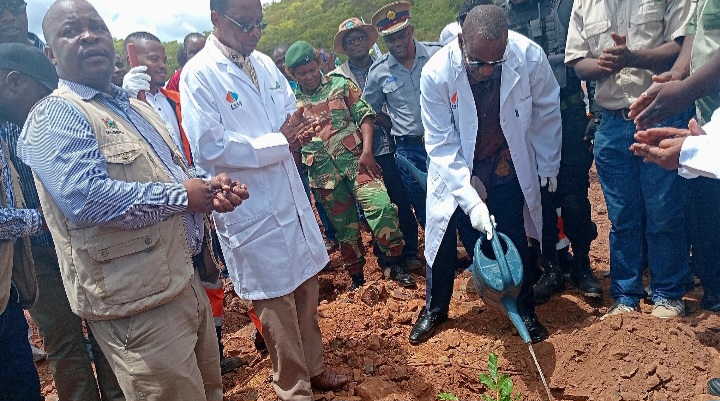
Midlands Province on Saturday held the 2025 National Tree Planting Day at Chenxi Mine in Shurugwi, a venue chosen in recognition of the company’s accelerated environmental rehabilitation programme that has turned the once-scarred Boterekwa escarpment into one of Zimbabwe’s most promising restoration success stories.
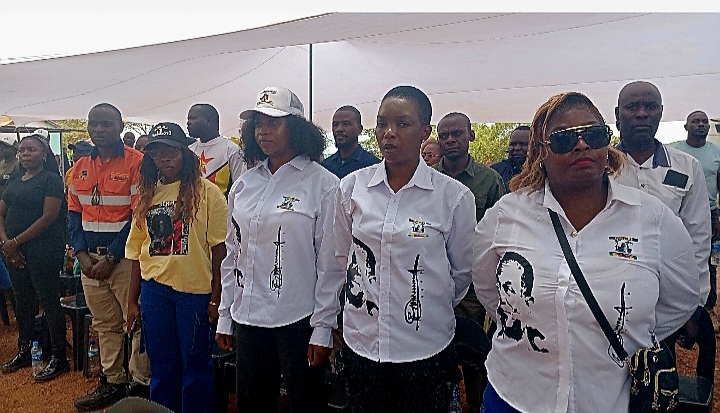
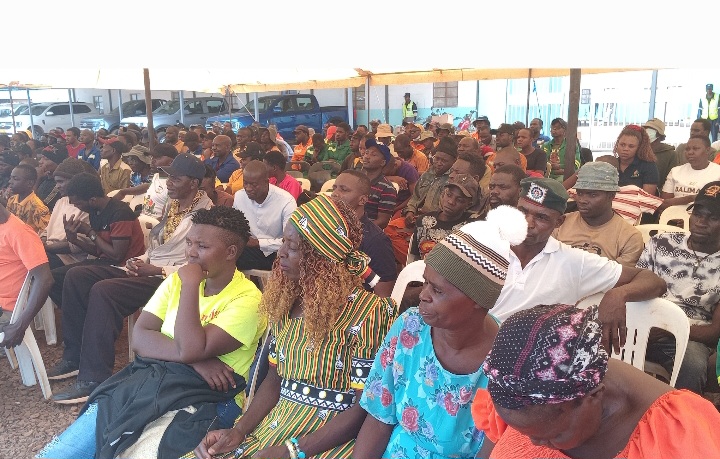
The ceremony, attended by government officials, senior officers from the security forces, Forestry Commission, the Environmental Management Agency (EMA), Chiefs, the community groups and local schools, centred on the planting of 2,000 indigenous trees, led by the Mumvee (Kigelia Africana) — the Tree of the Year.
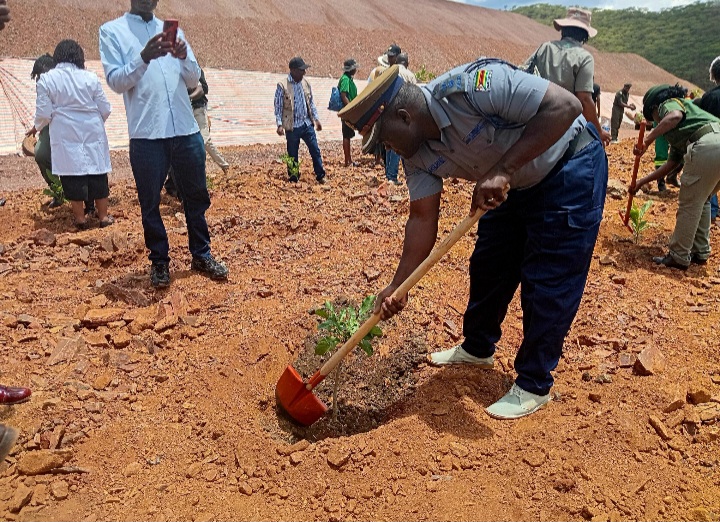

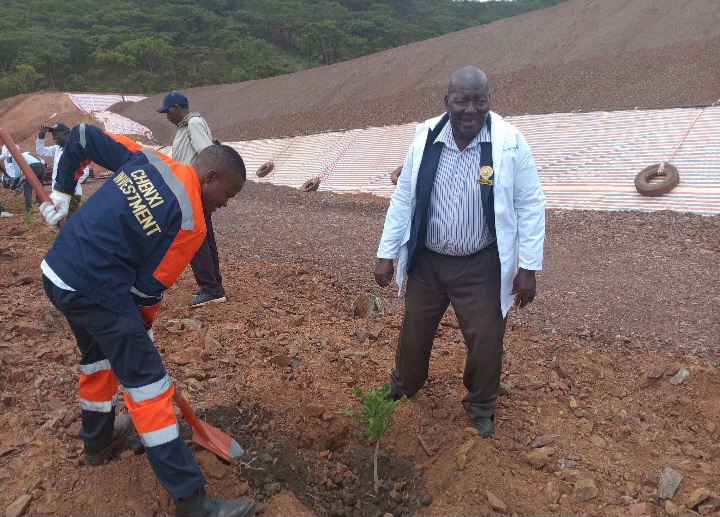
Chenxi Mine prepared 1,000 Mumvee seedlings and other indigenous trees to take the tally to 2000 for the event, part of a broader rehabilitation push that has seen the company plant over 20,000 trees this year, including 11,200 within Boterekwa alone, backed by a 95% survival rate through drip irrigation and enhanced nursery practices.
Chenxi’s 2025 Environmental Rehabilitation report paints a picture of steady recovery at Boterekwa. Terraced waste dumps have been stabilised with vetiver grass, while trials of Juncao and Katambora grass are proving successful.
Reinforced stormwater drains, berms and cut-off trenches are now protecting vulnerable slopes, and groundwater quality continues to fall within national safety standards. Additionally, more than 50,000 seedlings have been raised through community-linked nurseries, further strengthening ongoing restoration efforts.
“Reforestation is our corporate DNA” — Chenxi General Manager Mr Simon Karimanzira
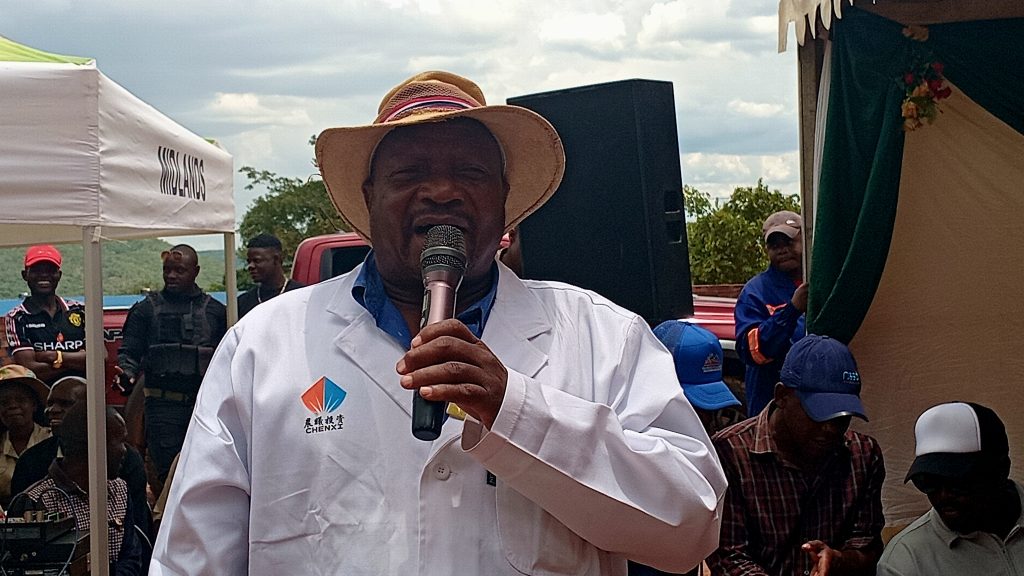
Chenxi Mine General Manager, Mr. Simon Karimanzira, used the event to outline the mine’s escalating environmental commitments, grounded in ESG principles and scientific restoration.
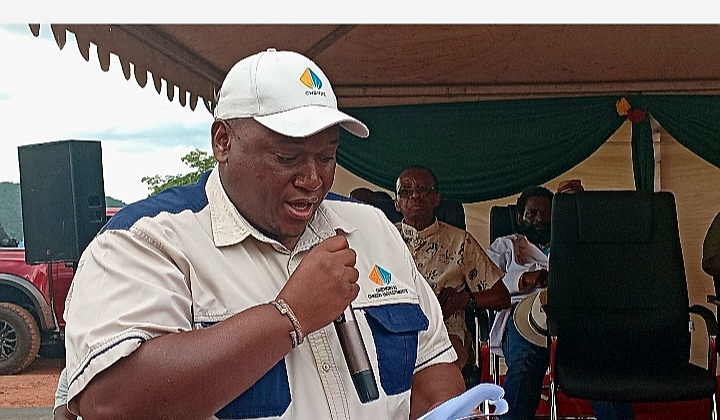
“Environmental restoration is a strategic priority and part of our corporate DNA,” he said. “As a company in the extractive sector, we fully understand the environmental footprint mining can leave behind. That awareness is exactly what drives our strong dedication to reforestation, land rehabilitation and sustainable environmental practices.”
Karimanzira announced that 33 hectares out of 70 hectares of disturbed land have already been restored through reshaping, terracing, grassing and indigenous reforestation — a 46% rehabilitation milestone.
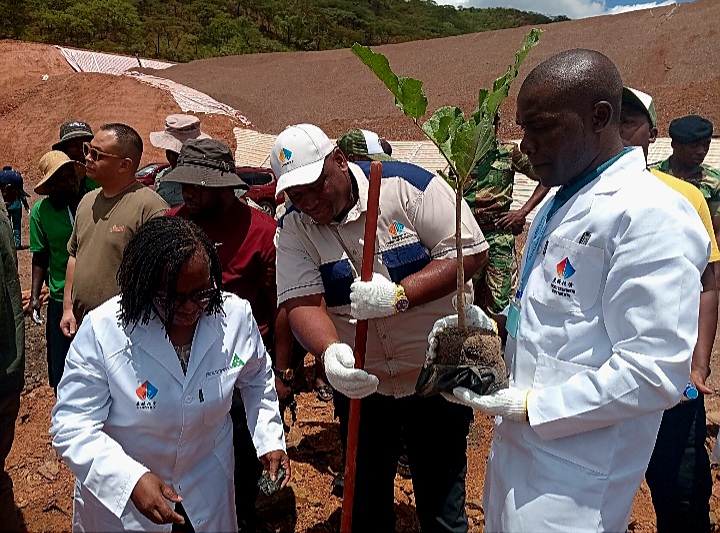
He added: “Our target today is to plant 2,000 indigenous trees, led by the Mumvee. By the time Chenxi Investments completes its mining cycle, we will have planted one million trees. This is ambitious, but achievable — and we are fully committed.”
Karimanzira highlighted strengthened partnerships with Hunan City University of China, whose environmental specialists are working alongside local experts on slope engineering, Juncao trials, Katambora grass integration, heavy-metal-tolerant grasses, and multi-layered ecological restoration.
“Our work is science-driven and aligned with best environmental practices,” he said. “We have also engaged local universities to support environmental monitoring and collaborative research.”
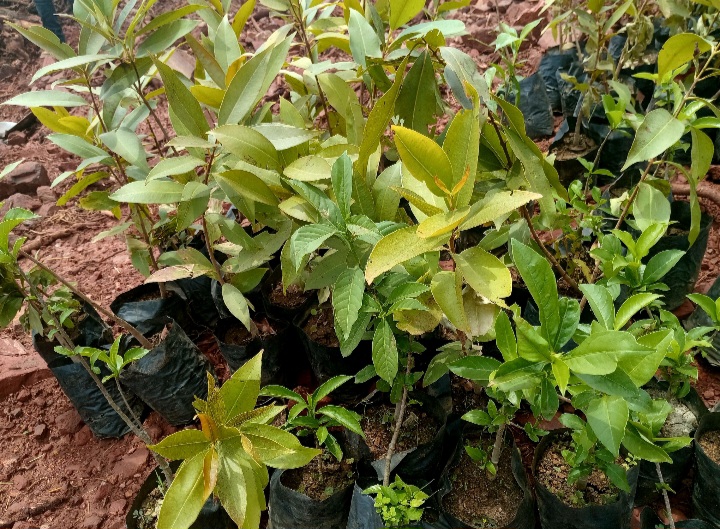
Chenxi’s nursery currently produces 40,000 seedlings annually, with plans to expand to 100,000 by the end of next year to support both mine-site rehabilitation and community reforestation programmes.
Minister Ncube Praises Chenxi’s “Model of Responsible Mining”
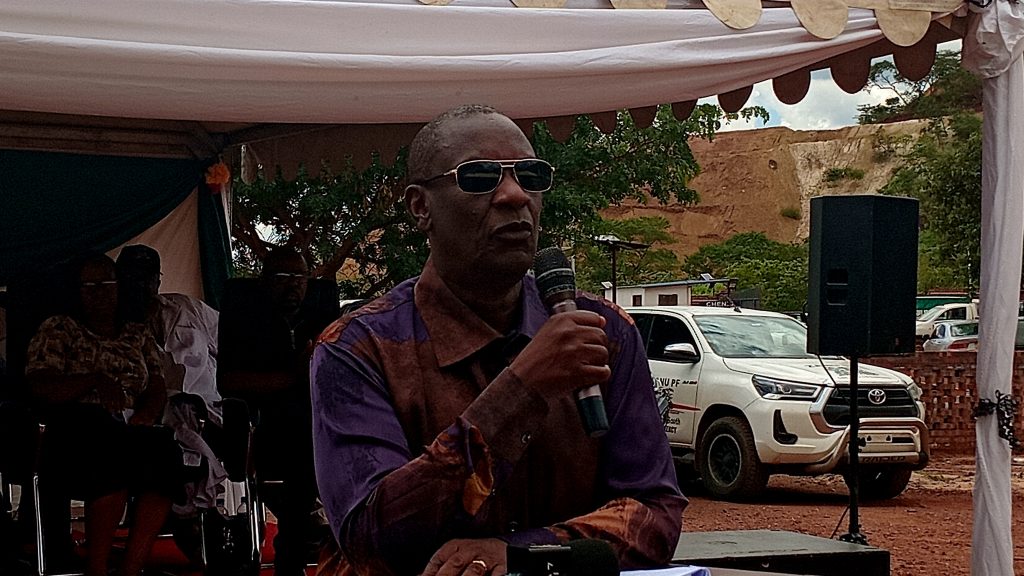
Guest of honour, Midlands Minister of State for Provincial Affairs and Devolution, Hon. Owen Ncube, commended Chenxi for setting a high standard for corporate environmental accountability. He called on other mines to emulate Chenxi’s science-based rehabilitation model, urging communities to ensure the trees
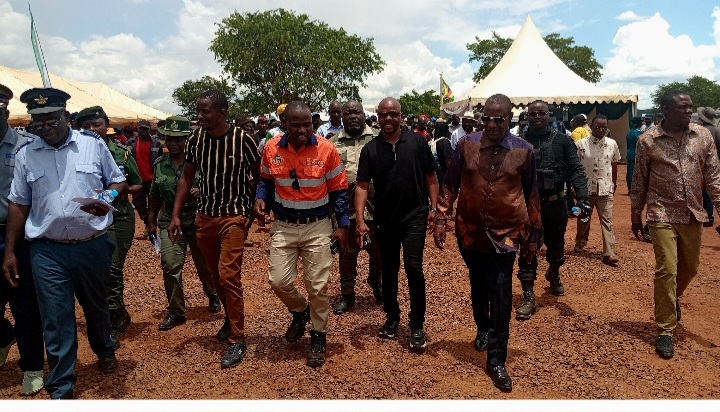
“This provincial commemoration is a vital extension of the national launch, bringing the vision of a greener Zimbabwe closer to our communities and ensuring that every citizen plays a role in nurturing our forests.
“I urge other mining entities and other investors who are in the Midlands Province to emulate what chengetai has done today and what they are doing in the land reclamation. We thank you, Chengetai for a job well done,” he said.
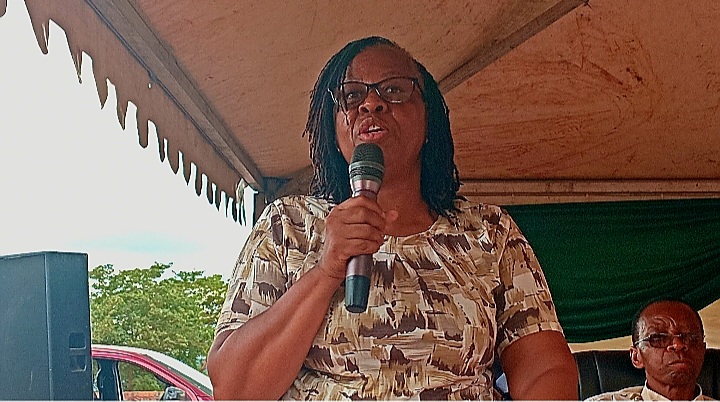
Forestry Commission represented by Commissioner Sithole pledged continued technical support as Chenxi pushes toward its million-tree target and long-term restoration of the Boterekwa Valley.
Planting of the Mumvee tree—long associated with cultural heritage and ecological resilience—captured the renewed hope for a once degraded landscape now on a clear path to recovery.