
The LGB has adopted a proactive, community-centred approach to regulating the industry while safeguarding public welfare.
By Dickson Bandera
When the story of a Bakers Inn manager who lost US$3,400 of company funds on the online game “Kandege” (Aviator) went viral last year, it ignited a fierce national debate across social media platforms. The manager later confessed to the offence, was arrested, and is currently serving a jail sentence. In a striking twist of fate, he has since found a measure of redemption behind bars, using his baking skills to produce bread for fellow inmates at the prison bakery.
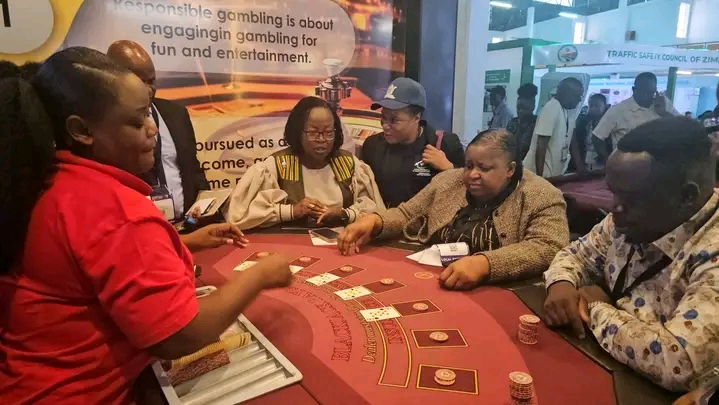
That case was not an isolated incident. Several others have fallen into the same trap. In Bulawayo, a man reportedly wagered more than US$10,000 of his mother’s life savings, plunging his family into financial distress. Elsewhere, a delivery driver stole US$3,700 from his employer to fund online bets—losing everything.
Collectively, these cases serve as stark reminders that the reckless pursuit of instant wealth through online betting can leave behind a trail of financial ruin, broken trust, and personal devastation.
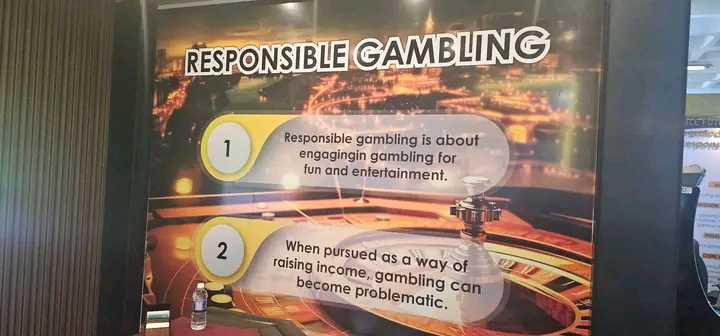
Yet it is equally important to underline that betting, in itself, is a globally recognised and regulated industry. Across the world, gaming and lotteries provide legitimate entertainment, create employment, and contribute significant revenue to national treasuries. In many jurisdictions, robust regulatory systems and responsible gambling frameworks ensure that betting remains safe, transparent, and economically beneficial.
In Zimbabwe, the gambling sector now generates over US$120 million annually, with online betting contributing nearly US$45 million, largely driven by mobile technology and expanded internet access. More than 300,000 Zimbabweans actively participate in online betting, with about 60 percent aged between 18 and 35, underscoring the dominance of young adults in this rapidly growing entertainment space.
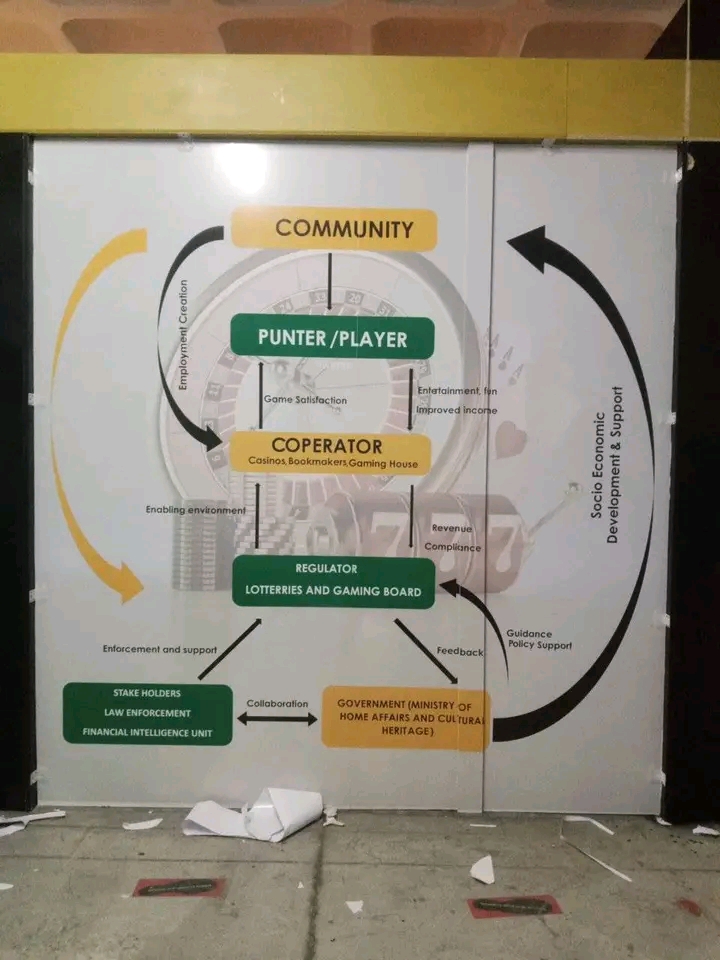
Stepping decisively into this environment to promote responsible betting is the Lotteries and Gaming Board (LGB), operating under the Ministry of Home Affairs and Cultural Heritage. The Board has adopted a proactive, community-centred approach to regulating the industry while safeguarding public welfare.

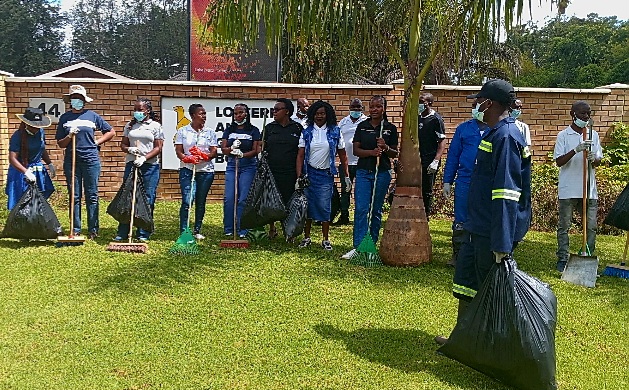
Last Friday, the LGB conducted a clean-up and public awareness campaign in Milton Park, Harare, in partnership with SMEDCO. The initiative blended environmental stewardship with consumer education, reflecting a holistic model of community engagement and corporate social accountability.



During the campaign, LGB officials engaged residents, punters, and passers-by, distributing informational materials on responsible gambling while actively participating in the clean-up exercise to promote a safe and healthy urban environment.

The outreach underscored the Board’s dual mandate as both regulator and advocate, ensuring that the growth of Zimbabwe’s gaming sector does not come at the expense of social wellbeing.

LGB Compliance Officer Mr Tenmore Zimbiru emphasised that punters must embrace responsible gambling and view betting strictly as entertainment, not a source of income.
“As the Lotteries and Gaming Board, we encourage everyone to help themselves by embracing responsible gambling practices. Gambling should always be viewed as a form of fun and entertainment, and never as a means of livelihood,” said Mr Zimbiru.

He further outlined key principles for responsible betting, including setting affordable budgets, avoiding emotional betting or chasing losses, understanding the risks involved, taking regular breaks, and using only licensed operators. He also urged citizens to seek professional support whenever gambling begins to negatively affect their daily lives.
Through sustained community campaigns, public education, and firm regulatory oversight, the Lotteries and Gaming Board is not only protecting citizens but also affirming betting as a legitimate, structured, and economically beneficial industry—when approached responsibly.