By Dickson Bandera
Zimbabwe is ready to host the 2026 SADC Sustainable Energy Week from 23 to 27 February 2026 in Victoria Falls, with all arrangements now in place to ensure a successful conference aimed at strengthening energy security, promoting sustainability, and unlocking investment opportunities across Southern Africa.
The five-day flagship event will be held at The Elephant Hills Resort & Conference Centre, a scenic venue overlooking the Zambezi River and one of the country’s premier conference facilities.
Government says the high-level platform — themed “Driving Regional Economic Growth through Clean Energy and Energy Efficiency” — will bring together energy ministers, policymakers, private sector investors, financiers, innovators, development partners, civil society organisations, and technical experts from across the Southern African Development Community (SADC).
The conference is expected to attract hundreds of delegates from member states and beyond.
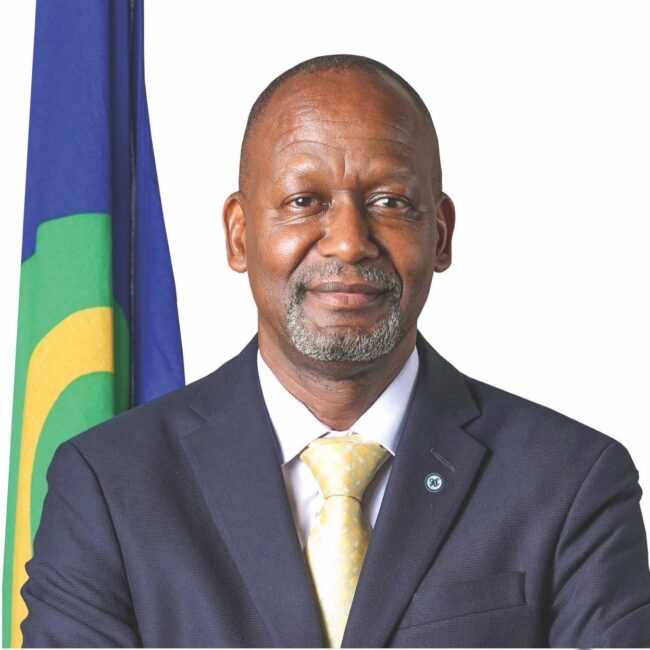
Addressing journalists in Harare ahead of the event on Monday, Minister of Energy and Power Development, July Moyo, said Zimbabwe is proud to host the second edition of the Sustainable Energy Week and will use the platform to inform and strengthen its own energy and power development policies.
“We are looking forward to interrogating policies that are applicable across the region, exchanging ideas on technologies, and strengthening cooperation within the Southern African Power Pool, particularly around our energy mix and available sources,” said Minister Moyo.
The programme has been designed to facilitate knowledge exchange, policy dialogue, investment forums, technical workshops, exhibitions, awards, and site visits. Participating countries will present their country energy compacts, outlining national priorities, reform initiatives, and investment needs, from which the region can draw practical lessons to improve energy availability and reliability.
Zimbabwe will also present its own case, including energy targets, regulatory reforms, and investment opportunities, as government courts both local and foreign investors into a sector it says is open, competitive, and central to economic growth.
Minister Moyo said the country’s energy transition strategy is anchored on a balanced approach that safeguards stability while embracing innovation.
“As we expand renewable energy, we are conscious of the need not to abandon our base load, which is anchored on coal and large hydro schemes. The focus is to balance stability with innovation, while progressively integrating cleaner and sustainable energy solutions,” he said.
He highlighted that Zimbabwe is actively promoting renewable and alternative energy sources, particularly solar and wind technologies, while also exploring waste-to-energy and other innovative solutions that support environmental management.
“We want to actively energise alternative sources such as solar and wind, and also explore waste-to-energy initiatives. These solutions not only contribute to energy generation but also help in cleaning our cities and improving environmental management,” said the Minister.
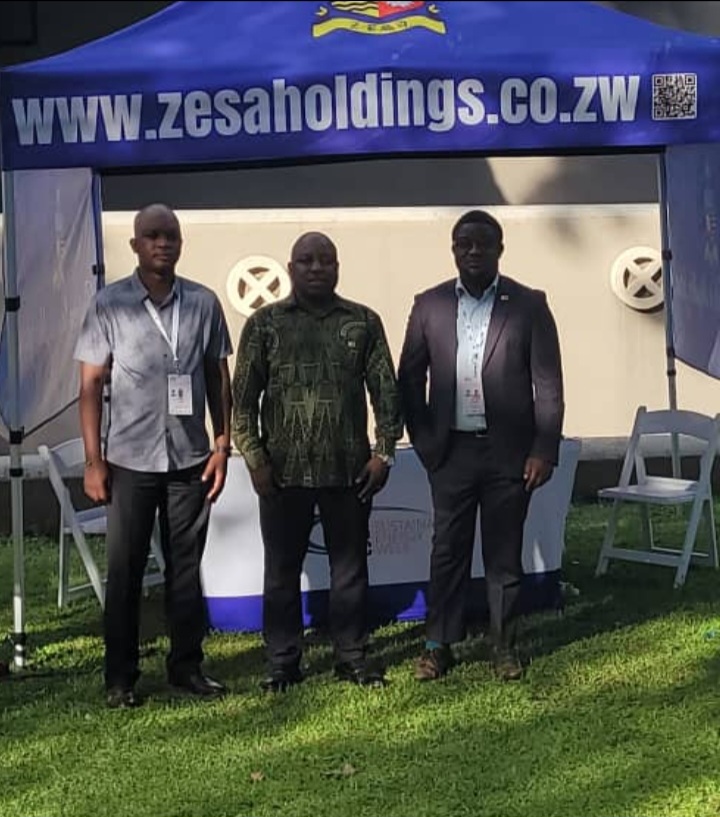
The week will also feature exhibitions by local innovators, technology providers, and energy businesses, giving home-grown companies an opportunity to attract investment and demonstrate practical solutions to regional energy challenges.
“We are particularly excited about the exhibitions by local innovators and businesses, which are critical in showcasing home-grown solutions and attracting investment into the sustainable energy sector,” said Moyo.
Expected activities include high-level plenary sessions, thematic panel discussions, investment matchmaking forums, policy roundtables, workshops, technical tours, and the SADC Sustainable Energy Week Awards, which are designed to recognise excellence in sustainable energy innovation and implementation.
With energy demand rising due to industrialisation, mining, agriculture, and urban expansion, authorities believe the event will help unlock strategic partnerships that enhance energy security, drive economic development, and strengthen regional integration.
Zimbabwe’s hosting of the event in Victoria Falls further underscores its ambition to combine energy diplomacy, investment promotion, and conference tourism, positioning the country as a regional hub for sustainable energy dialogue and innovation.