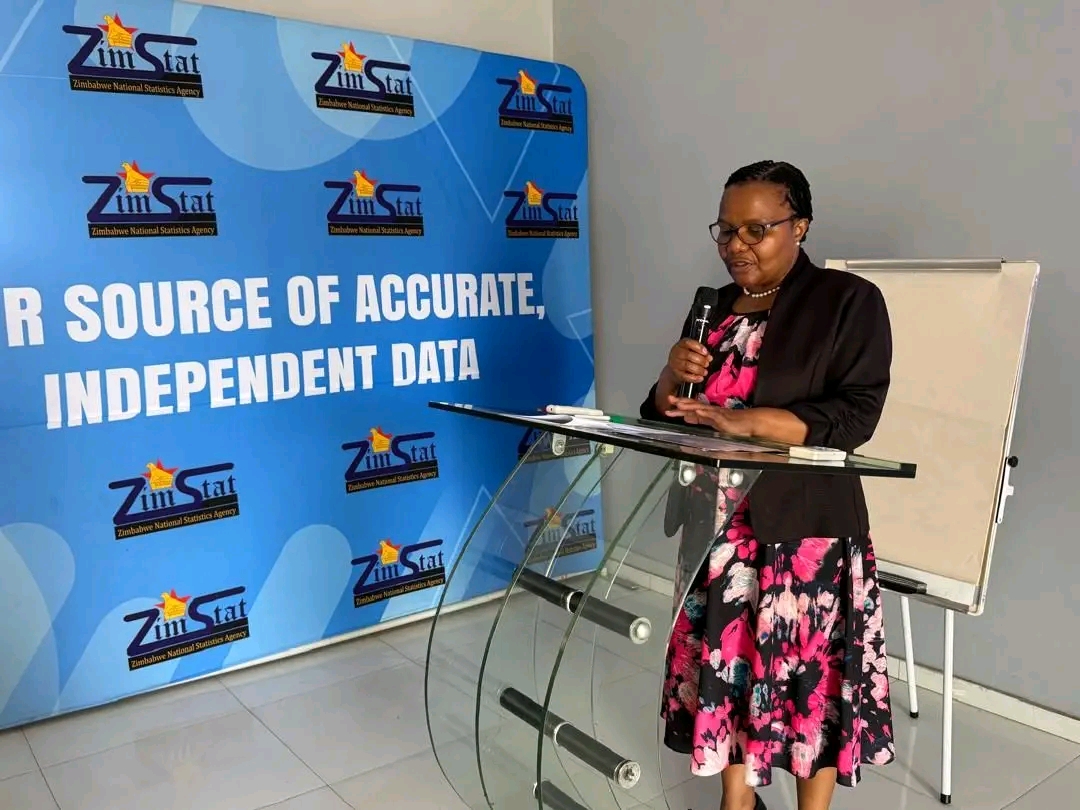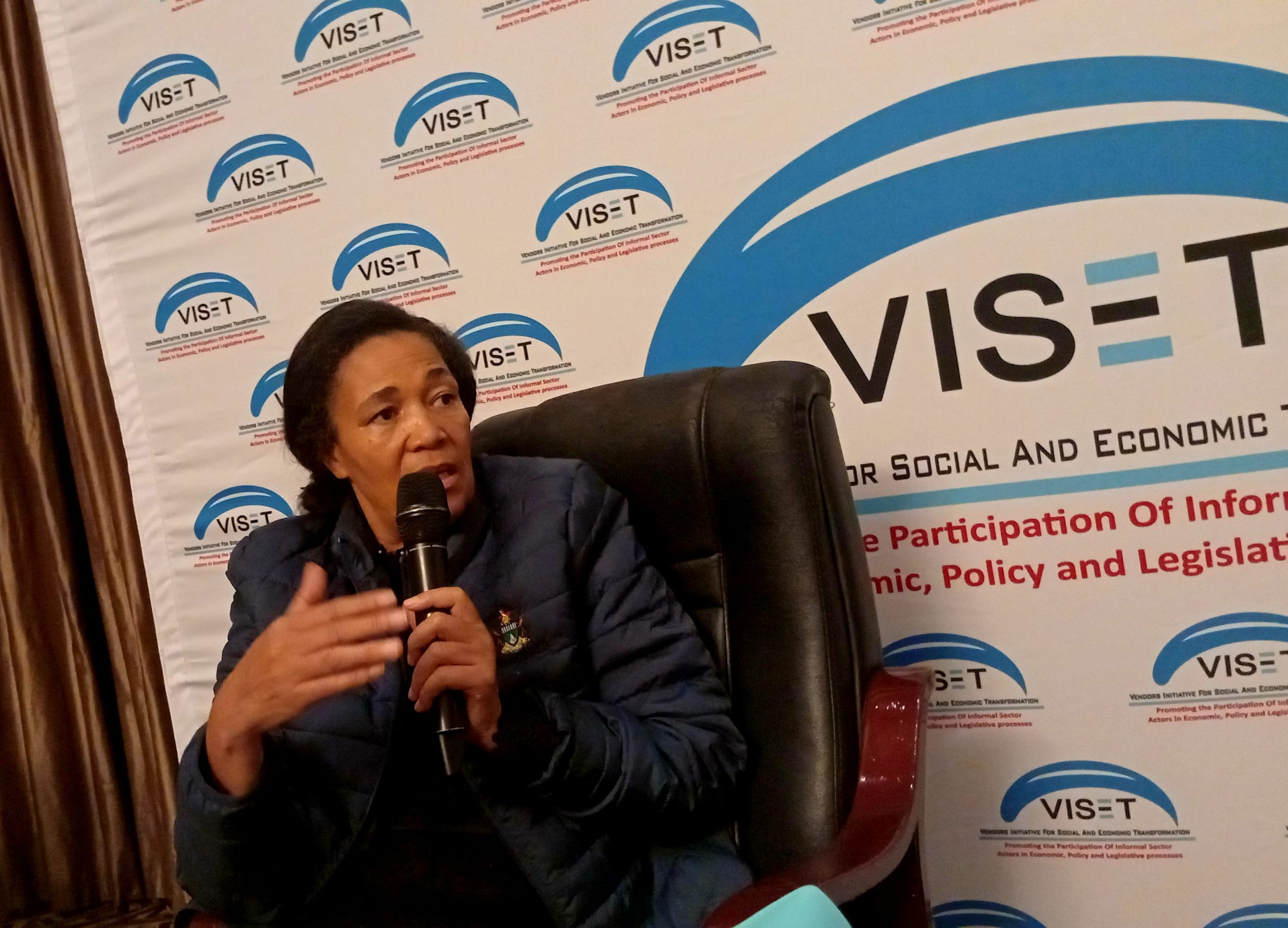
Deputy Minister of Women Affairs, Community, Small and Medium Enterprises Development, Hon Jennifer Mhlanga
By Dickson Bandera
HARARE – Government has announced a new wave of reforms targeting Zimbabwe’s dominant informal sector, with authorities moving to ease compliance costs, expand workspaces and unlock financing for micro, small and medium enterprises (MSMEs).
The announcement was made at the Vendors Initiative for Social and Economic Transformation (VISET) National Open Policy Discourse Dialogue on Informal Economy Taxation held in Harare, which brought together government officials, tax authorities and informal traders.
The Minister of Women Affairs, Community, Small and Medium Enterprises Development, Hon Monica Mutsvangwa, speaking through Deputy Minister Hon Jennifer Mhlanga, said the latest measures mark a decisive shift from control to support of the informal economy.
“Micro, Small, and Medium Enterprises (MSMEs) are the backbone of our economy, making a significant impact on employment, innovation, and poverty alleviation. Approximately 86% of these MSMEs operate within the informal sector, which accounts for over 70% of all jobs and contributes more than 60% to our GDP.
“This sector is vital for our national development and plays a crucial role in achieving Vision 2030,” she said.
She said the new policy direction is designed to remove long-standing barriers that have slowed the growth and formalisation of small businesses.
“The ongoing process of review of business fees and licenses by the Government is not merely a cost adjustment; it is a deliberate strategic intervention to stimulate enterprise growth,” she said. “By lowering the cost of compliance and registration, Government is encouraging formalization and new business entry, reducing barriers that have long constrained MSMEs.”
“This move enhances competitiveness, attracts investment, and promotes inclusive participation, particularly for women, youth, and emerging entrepreneurs,” she added. “In the long term, it broadens the tax base and strengthens revenue sustainability.”
Hon Mutsvangwa said Government is also overhauling the legal and policy framework governing MSMEs to align with changing economic realities.
“A modernized and harmonized SME framework will strengthen competitiveness, support sustainable enterprise growth, and position MSMEs as key drivers of Zimbabwe’s industrialization and broader economic transformation,” she said. “Aligning the SME Policy and the SME Act with the evolving business environment is critical to maintaining a relevant, responsive, and future-ready legal framework.”
Beyond regulatory reforms, authorities are scaling up infrastructure development to address workspace shortages affecting informal traders and small businesses.
“Inadequate provision of appropriate workspace for SMEs has significantly constrained sector performance, affecting product quality, worker safety, regulatory compliance, and leading to congestion in the few available facilities,” she said. “Limited and unsuitable operating environments undermine productivity and restrict business growth.”
“The Ministry is investing in the construction of dedicated SME workspaces across the country, including in Harare, Chivhu, Gwanda, and Gweru,” she added. “These initiatives will substantially ease workspace constraints, improve operating conditions, and support formalization and productivity.”
Government is also strengthening financial support systems to improve access to capital for small businesses.
“The establishment of initiatives such as the Women’s Development Fund and the Community Development Fund aims to deliver targeted financial support to MSMEs,” she said. “The Ministry is also enhancing its financing arms to improve access to finance, while fostering a savings culture through the creation of Savings and Credit Cooperatives.”
Hon Mutsvangwa said the reforms are complemented by efforts to build capacity and modernise operations within the sector.
“The need to cultivate a vibrant MSME sector has never been more evident. With their capacity for job creation and contribution to GDP, MSMEs are pivotal in driving economic growth,” she said. “However, they face numerous challenges, including limited access to finance, cumbersome regulatory requirements, and inadequate infrastructure.”
“In the digital age, leveraging technology is no longer an option; it is a necessity,” she added. “MSMEs must harness digital tools to improve their operational efficiency and market reach.”
She called for collective action among stakeholders to ensure the success of the reforms and sustainable growth of the sector.
“Together, we can foster an environment that incentivizes compliance and nurtures enterprise development, ensuring MSMEs contribute significantly to our national development goals,” she said. “Let us continue to work collaboratively… to create a vibrant MSME sector that drives sustainable development.”
The latest policy push signals Government’s intent to integrate the informal sector into the formal economy while safeguarding livelihoods and stimulating inclusive economic growth.