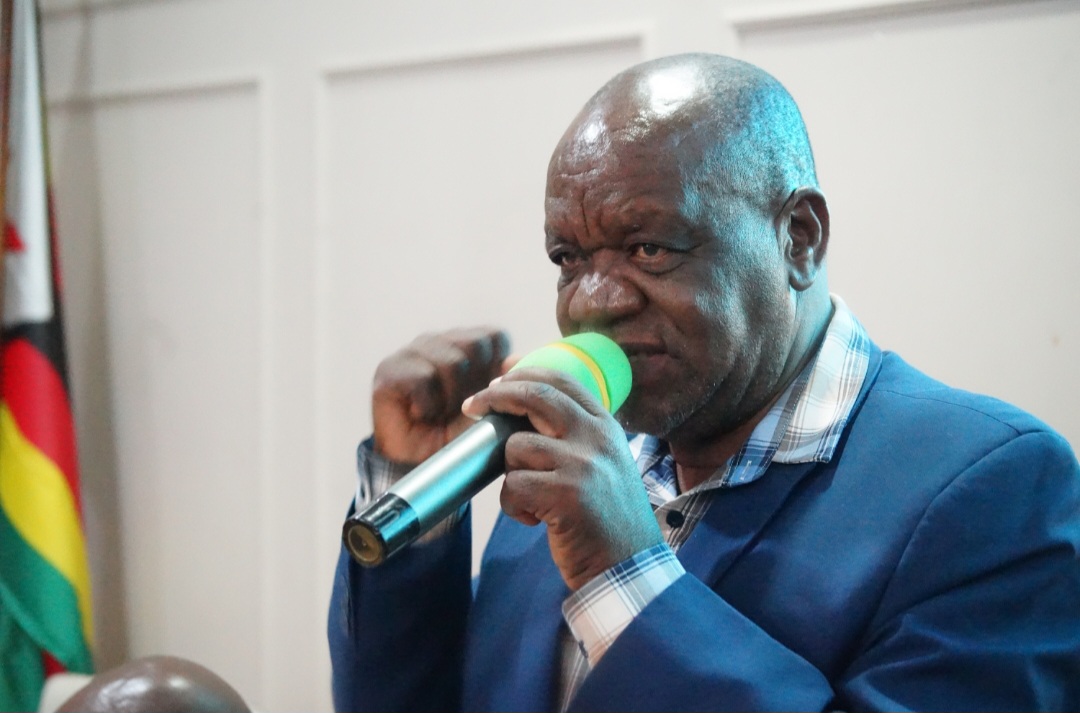
Minister Barbara Rwodzi
By Dickson Bandera
Zimbabwe’s Minister of Tourism and Hospitality Industry, Hon. Barbara Rwodzi, has raised alarm over fraudulent Facebook accounts impersonating her, warning that cybercriminals are using her name and images to scam unsuspecting members of the public through bogus investment schemes.
In her post on social media, Hon. Rwodzi condemned the impersonation as both “criminal and unethical,” emphasizing that she does not operate any personal Facebook accounts for business or financial dealings.
“It has come to my attention that fraudulent Facebook accounts are circulating online, using my name and images to scam individuals with false investment transactions,” she said.
“This is a criminal and unethical act intended to deceive the public and tarnish my reputation.”
The Minister stressed that she is not involved in any online financial activities and urged the public to be cautious, to report such accounts, and to avoid engagement.
“I do not operate any personal Facebook account for offering investment opportunities or engaging in financial transactions. The public is urged to remain vigilant, report these fake accounts to Facebook immediately, and avoid any interaction with them,” Hon. Rwodzi added.
She confirmed that the matter has already been reported to the appropriate authorities.
“This matter has been escalated to the relevant authorities, including cybersecurity experts and law enforcement, to ensure the fraudulent accounts are removed and those responsible are held accountable,” she said.
“Let us work together to promote a secure and trustworthy digital environment for all.”
This incident is part of a worrying trend in Zimbabwe, where cybercriminals have increasingly targeted high-profile individuals, creating fake social media profiles to scam the public. Zimbabwe’s Ambassador to Zambia, Her Excellency Charity Charamba, was similarly targeted earlier this year, with her name and likeness used in online scams.
Other notable figures—including businessman Wicknell Chivayo and several senior government officials—have also had their identities cloned in digital scams, many of which involve bogus tenders, investment deals, and social giveaways.
As digital platforms become increasingly central to communication and service delivery, the call is growing louder for the government to implement stronger cybersecurity laws and invest in digital identity verification tools to safeguard public officials and citizens alike.