By Brenda Mazhambe
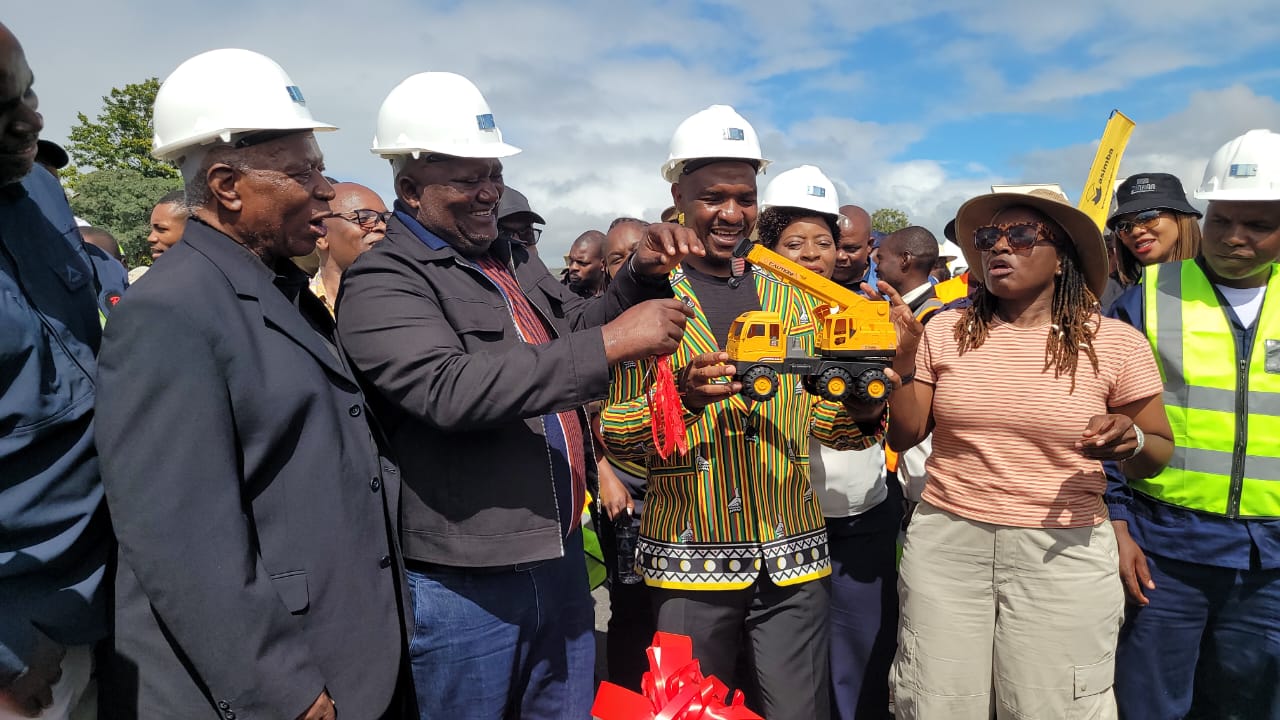
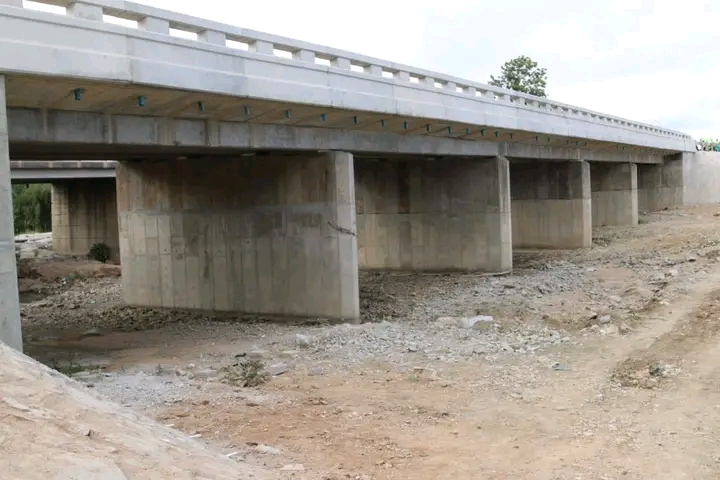
The final week of April 2026 marked a defining moment in Zimbabwe’s infrastructure renewal drive, highlighted by the commissioning of two major bridges along the strategic Harare–Beitbridge Highway—the Manyame River Bridge and the Mucheke River Bridge in Masvingo.
Within a span of just three days, the country witnessed policy translating into pavement, and national vision materialising into functional steel and concrete. This momentum reflects President Emmerson Mnangagwa’s call for government officials to “implement, deliver, and impact the lives and livelihoods of Zimbabweans.”
Both projects were officiated by the Minister of Transport and Infrastructural Development, Honourable Felix Mhona, whose ministry is spearheading one of the most visible infrastructure transformation programmes in the country’s recent history.
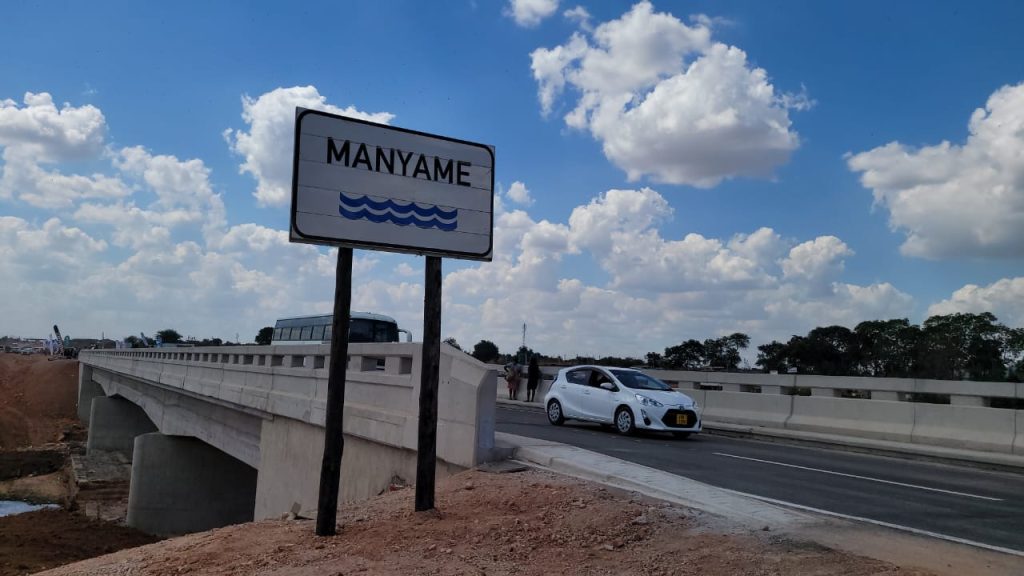
Far from isolated developments, the two bridge openings form part of a broader, coordinated modernisation of the Harare–Beitbridge Highway—Zimbabwe’s most critical economic corridor. Stretching approximately 580 kilometres, this route links the capital to the Beitbridge Border Post, the country’s busiest inland port of entry and a key gateway to regional trade in Southern Africa.
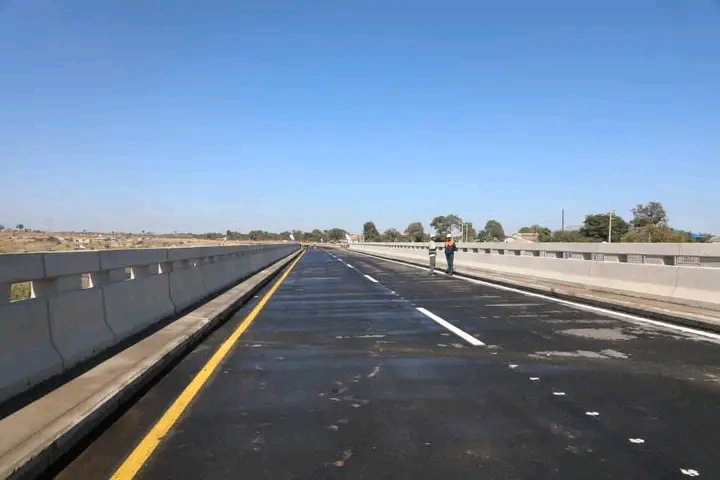

Across the country, all provinces are witnessing tangible development, a clear indication that the Government is walking the talk in ensuring that road infrastructure is robust enough to drive economic growth and meaningfully improve people’s lives.
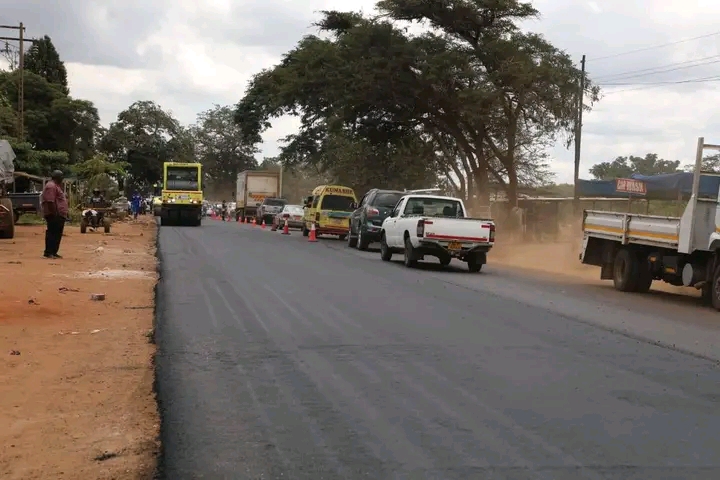
At the centre of this transformation is the Emergency Road Rehabilitation Programme (ERRP), launched in 2021 to urgently repair and upgrade the country’s road infrastructure. The programme targets major highways, urban roads in cities such as Harare and Bulawayo, rural access roads, and critical bridges—improving transport efficiency, road safety, and economic activity.
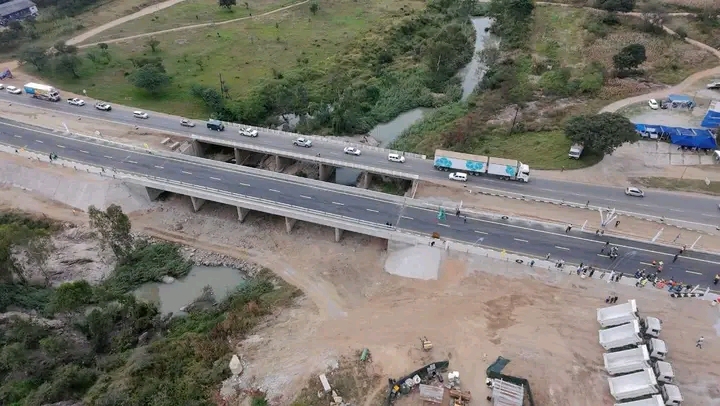
Implemented in phases, the ERRP began with emergency pothole patching and drainage works and has since progressed to more durable reconstruction and road widening. Delivery has been driven through collaboration between government departments, local authorities, and private contractors.
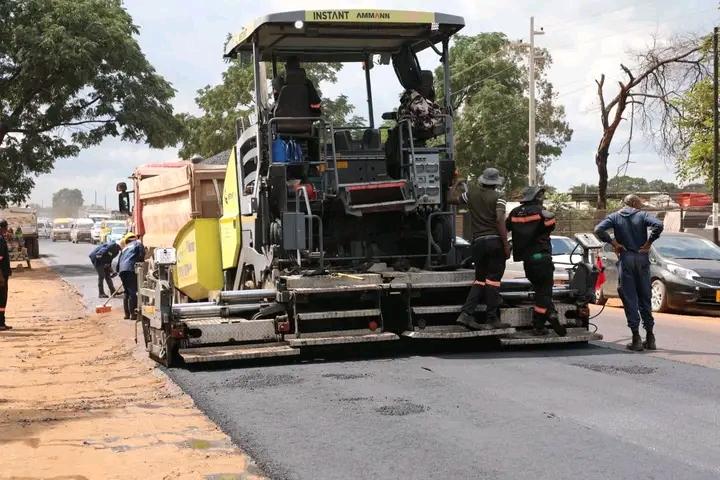
Zimbabwe has long had ambitious infrastructure policies, but implementation has often lagged behind. The current phase, however, signals a decisive shift—from planning to delivery.
Under Minister Mhona’s leadership, tangible progress is now evident. To date, over 550 kilometres of the Harare–Beitbridge Highway have been completed, with multiple contractors deployed across various sections to accelerate execution. The project has also delivered landmark infrastructure such as the Trabablas Interchange—the first of its kind in Zimbabwe—marking a new era in urban traffic management and road engineering.
The commissioning of the Manyame and Mucheke bridges reflects a deliberate effort to eliminate bottlenecks, improve traffic flow, and modernise critical infrastructure. The symbolism is unmistakable: a continuous corridor being reshaped—bridge by bridge—linking communities, markets, and borders with increasing efficiency.
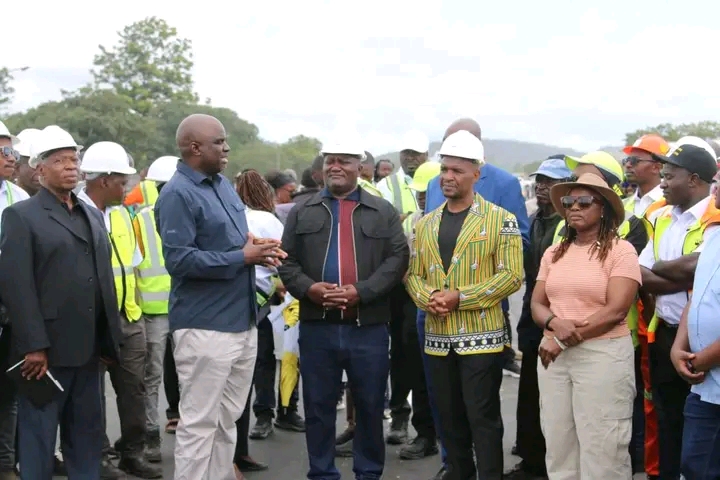
At Manyame, the ceremony drew senior government officials, including Honourable Itayi Ndudzo, who described the progress as clear evidence of accelerating national development. In Masvingo, Minister Ezra Chadzamira and provincial leadership expressed similar optimism, buoyed by the delivery of long-awaited infrastructure.
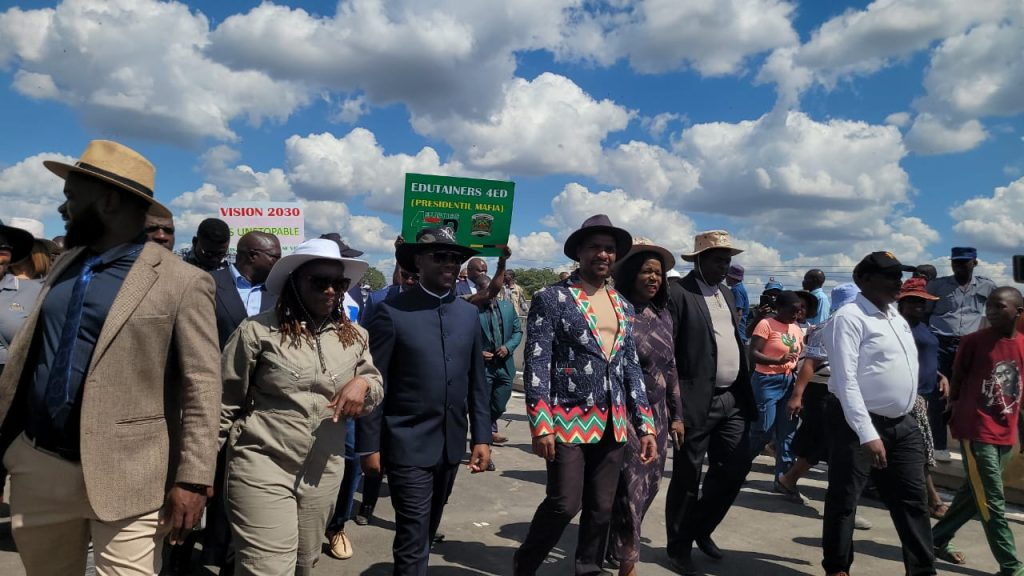
Driving these milestones is a coordinated institutional framework led by the Ministry of Transport and Infrastructural Development. Under the stewardship of Minister Mhona, Deputy Minister Honourable Joshua Sacco, and Permanent Secretary Engineer Joy Pedzisayi Makumbe, the ministry has prioritised execution, supported by a network of engineers, planners, and technical experts.
Key implementing partners, including the Zimbabwe National Road Administration and the Ministry of Finance, have played a critical role in mobilising resources and sustaining project momentum. Their support has enabled simultaneous infrastructure works across provinces, ensuring both continuity and scale.
This progress aligns with the Government’s performance-based governance framework, under which Cabinet ministers have signed performance contracts tied to national development priorities.
What is emerging is a Zimbabwe defined by movement—of goods, people, and ambition. At the centre of this transformation is a Transport Ministry whose work is now visibly etched into the national landscape.
Roads and bridges are more than physical structures; they are the arteries of national development. Each completed span and rehabilitated stretch reduces the distance between communities and opportunity, enhancing mobility, trade efficiency, and economic integration.
If sustained, this momentum will be remembered not only for the infrastructure delivered, but for the vision realised—kilometre by kilometre, shaping a connected and thriving nation.