By Brenda Mazhambe
Seed Co International reported a 130% jump in annual profit after tax to US$13.1 million for the year ended March 31, 2026, as strong business growth, disciplined cost management and robust regional operations drove revenue up 30% to US$161.3 million.
The company said operating profit rose 88% to US$28.8 million from US$15.3 million a year earlier, while gross profit margin improved to 53% from 50%. Operating cash flow increased 39% to US$15.9 million, allowing the company to reduce borrowings by US$7.1 million and further strengthen its balance sheet.
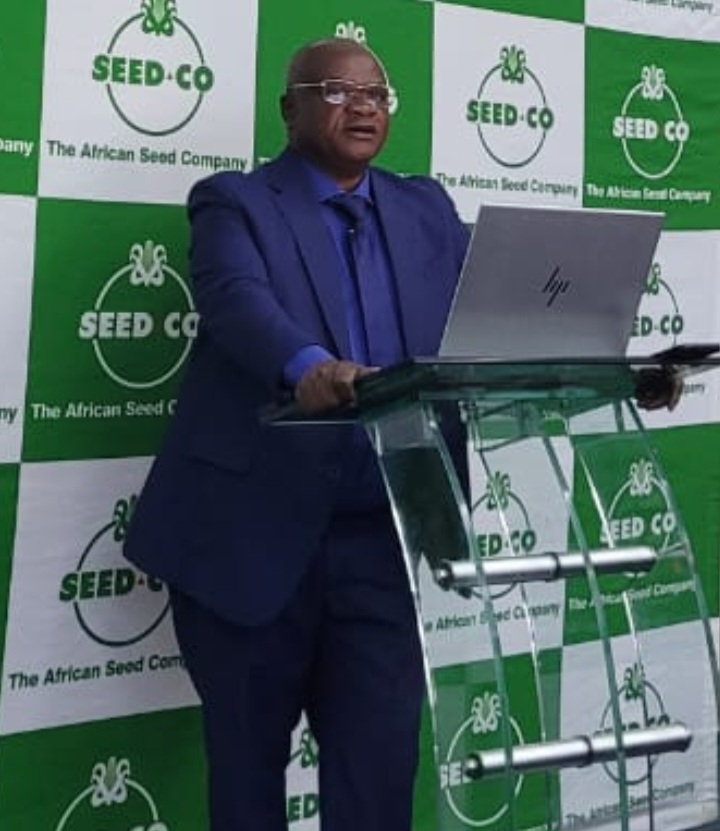
The results were presented during an analyst briefing in Harare on Tuesday.
Chief Executive Officer Morgan Nzwere said the company exceeded its financial targets despite climate change, inflationary pressures, currency volatility, geopolitical tensions and rising production costs.
“The Group exceeded plan across all key financial metrics through strong brand equity, disciplined pricing, an improved product mix, robust credit governance and effective liquidity management,” Nzwere said.
He said those measures enabled the company to manage currency risks, hyperinflation and supply chain disruptions while maintaining growth across its regional markets.
Chief Financial Officer Tineyi Chatiza said total assets increased 20% to US$187.1 million, while shareholders’ funds rose 32% to US$123.5 million.
He said the current ratio improved to 2.2 times from 1.9 times, reflecting stronger liquidity, while the net debt-to-equity ratio declined to 11% from 16% because of improved cash generation and prudent treasury management.
Inventories increased by US$8.4 million to support growing regional demand, while receivables rose to US$63.2 million, largely reflecting grower financing and government debtors expected to be recovered.
Regional sales volumes remained broadly stable at 46,836 metric tonnes compared with 46,317 metric tonnes a year earlier, with improved pricing and product mix driving revenue growth.
Tanzania, Zambia and Malawi were the group’s strongest profit contributors, while all operating markets recorded positive earnings.
Meanwhile, Seed Co Limited reported a weaker performance after deliberately reducing exposure to high-risk credit markets and lower export sales.
Revenue declined 28% to US$51.5 million from US$71.2 million, while profit after tax fell 54% to US$8 million despite a 17% reduction in operating expenses to US$21.8 million.
Management said the decline reflected prudent risk management rather than weakening demand.
Chatiza said Seed Co Limited nevertheless maintained a strong financial position, supported by strategic land holdings at Mt Hampden, research and development assets and intellectual property.
Investments increased 27% to US$40.5 million, mainly reflecting the growth in Seed Co International. Receivables rose 10% to US$57.1 million, while inventory declined 7% to US$24 million following tighter credit management. Equity increased by US$11.1 million through retained earnings and investment gains, while operating cash flow recovered to a positive US$7.8 million from a negative position in the previous financial year.
Nzwere said the group continued investing in production capacity despite regional supply chain challenges.
The company expanded irrigation to cover 70% of group production, commissioned a colour-sorting plant in Zimbabwe and expects to commission a new seed processing factory in Tanzania and a warehouse in Zambia later this year.
Seed Co is also expanding research and development programmes in Zambia, Kenya and Tanzania, focusing on climate-resilient maize, wheat, soybean, sorghum and rice varieties with improved resistance to diseases and pests.
Nzwere said the company had secured a Botswana government seed supply tender that would support regional distribution, although he said long-term growth would continue to depend on investment in research, infrastructure, production capacity and expanding African markets.
The group said it expects continued growth, supported by improving demand across Africa, supply chain investments, climate-smart seed technologies, stronger direct retail channels and increased production capacity.