By Dickson Bandera
HARARE – Residents of Chitungwiza have taken their local authority to the High Court over a decades-long sewage crisis, in a landmark legal challenge that underscores growing concern over deteriorating service delivery in Zimbabwe’s urban councils.
The application was filed on 23 July 2026 by the Chitungwiza Residents Trust (CHITREST) together with eight residents, who are seeking a court order compelling Chitungwiza Municipality to urgently repair its failing sewer infrastructure and implement a comprehensive plan to end the persistent discharge of raw sewage into residential areas.
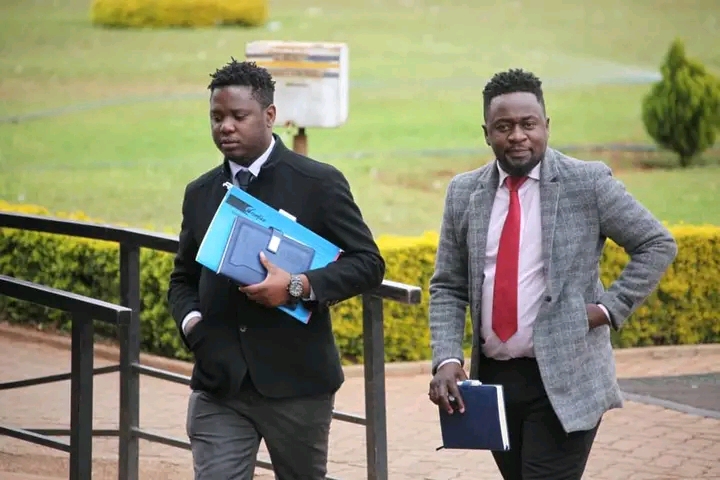
The applicants, represented by lawyers Kelvin Kabaya and Tinashe Chinopfukutwa of Zimbabwe Lawyers for Human Rights (ZLHR), argue that the municipality has failed to discharge its legal obligations by allowing raw sewage to flow through neighbourhoods, into homes and around schools, exposing thousands of residents to serious health risks.
According to court papers, overflowing sewage has contaminated domestic boreholes, while the stench from untreated waste has made living conditions unbearable for many residents. In some areas, sewage has reportedly blocked entrances and exits at schools, disrupting daily activities and raising fears of outbreaks of water-borne diseases.
The residents contend that Chitungwiza’s sewer system has long been overwhelmed because it was never upgraded to match the municipality’s rapid population growth and expanding residential and commercial developments.
They argue that despite the crisis persisting for several decades, the local authority has failed to take adequate measures to rehabilitate the sewer network across all 25 wards.
In their application, the residents are asking the High Court to compel the municipality to repair and upgrade the sewerage system within three months of the court’s order. They also want the local authority to prepare and publish an emergency plan within one month detailing short-, medium- and long-term interventions to restore the sewer infrastructure.
The applicants further seek a declaration that the municipality’s failure to adequately collect, treat and dispose of sewage violates constitutional rights, including the rights to life, human dignity and a clean, safe and healthy environment. They also argue that the council has breached provisions of the Urban Councils Act, the Environmental Management Act and the Public Health Act.
In addition, the residents want the Environmental Management Agency (EMA) to monitor the municipality’s compliance with any court order requiring the implementation of the proposed emergency rehabilitation plan.
The matter is yet to be set down for hearing.
The lawsuit comes at a time when service delivery has become one of the most pressing challenges confronting local authorities across Zimbabwe. Residents in many urban centres continue to grapple with ageing infrastructure, unreliable water supplies, deteriorating roads, uncollected refuse and collapsing sewer systems.
The growing concerns have been amplified by recent tragedies linked to neglected public infrastructure. In Budiriro, several lives were lost after people reportedly fell into an uncovered drainage pit allegedly left open by the local authority, sparking public outrage and renewed calls for councils to prioritise the maintenance of critical infrastructure.
Urban planning experts have warned that the continued neglect of sewer networks, drainage systems and other essential public infrastructure not only threatens public health but also places lives at risk, underscoring the urgent need for sustained investment and improved accountability within local authorities.
The Chitungwiza case is expected to test the extent of municipalities’ constitutional and statutory obligations to provide safe sanitation services and maintain infrastructure essential to the health and wellbeing of residents.