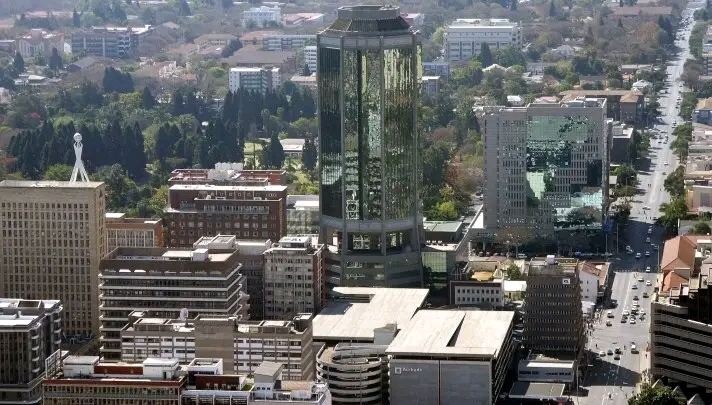
The light rail system is expected to become the backbone of Harare’s broader urban renewal programme.
By Dickson Bandera
Harare could soon undergo one of the biggest transport transformations in its history, with a proposed US$3 billion light rail network expected to reshape the way people move around the capital by 2029.
Zimbabwe Investment and Development Agency (ZIDA) has approved a Public-Private Partnership (PPP) to develop the modern rail system and has granted the project National Project Status.
If completed as planned, the rail network will significantly reduce traffic congestion, shorten commuting times and provide thousands of Harare residents with a modern, efficient and environmentally friendly public transport system.
The project is expected to be completed within five years, with the 2029 Intra-African Trade Fair (IATF) serving as a key deadline. Zimbabwe will not only host the continental trade fair but will also become home to the permanent headquarters of the IATF company, bringing thousands of exhibitors, investors and well over 100,000 delegates to Harare.
This has created urgency for the modernisation of the capital city. Alongside the railway project, major investments are expected in convention facilities, hotels, exhibition infrastructure and mixed-use commercial developments, positioning Harare as one of Africa’s emerging business and conference destinations.
Rather than being a standalone transport project, the light rail system is expected to become the backbone of Harare’s broader urban renewal programme.
The lead investor is reportedly mobilising about US$5 million to finance detailed engineering studies, as well as environmental and social impact assessments. The project is also expected to receive support from the African Development Bank, strengthening confidence in its long-term viability.
Planned Routes
The development will be implemented in phases.
The first phase will link Harare’s Central Business District with Kuwadzana, covering approximately 14 kilometres and incorporating elevated sections together with a maintenance depot.
The second phase will extend approximately 30 kilometres south through Highfield to Chitungwiza, providing improved transport for one of Zimbabwe’s largest commuter corridors.
The third phase will connect the city centre with Mabvuku and Tafara in the eastern suburbs through a 20-kilometre line.
The fourth phase will add a 12-kilometre route running through Cranborne to Robert Gabriel Mugabe International Airport, offering travellers a direct rail connection to the airport.
The fifth phase will extend the western line by approximately 11 kilometres from Kuwadzana to the new capital city in Mount Hampden, supporting the Government’s decentralisation and urban development agenda.
One of the project’s most innovative features is its proposed use of battery-powered Light Rail Vehicles (LRVs) charged using solar energy. By eliminating the need for overhead power lines and reducing dependence on the national electricity grid, the system is expected to lower operating costs while supporting Zimbabwe’s transition towards cleaner and more sustainable transport.
If realised, the project will place Harare among a growing number of African cities investing in modern urban rail systems. More importantly, it promises to improve the daily lives of thousands of commuters by providing safer, faster and more reliable transport while stimulating investment, job creation and economic growth.
For many Harare residents who spend hours in traffic or rely on overcrowded public transport each day, the proposed light rail network represents more than a major infrastructure project—it offers a vision of a faster, more connected and modern capital city.