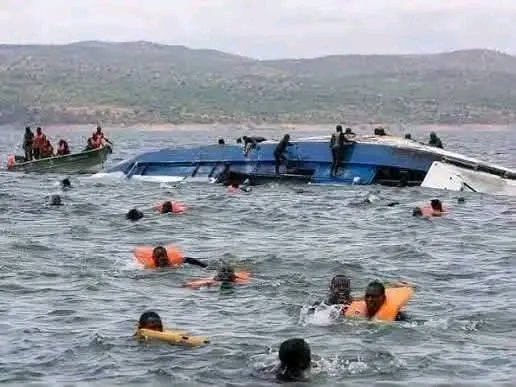
Divers during the rescue mission in Kariba
By Dickson Bandera
The first major arrest over Zimbabwe’s deadliest maritime disaster has opened a new chapter in the investigation into the sinking of the Mbuya Nehanda, with a senior RIDA official now in custody as authorities probe how a ferry carrying far more people than its approved capacity was allowed to sail.
Kariba District Clerk and acting Rural Infrastructure Development Agency (RIDA) district head Ignitious Chiome appeared before the Kariba Magistrates’ Court on Wednesday facing a charge of culpable homicide and was remanded in custody until Thursday, when his bail application is expected to be determined.
The arrest comes 15 days after the August 11 disaster claimed 97 lives, turning the focus from the recovery of bodies to the question of who should ultimately answer for the decisions made before the ferry left Kariba.
The State alleges that overloading, operational lapses and administrative negligence contributed to the tragedy. Prosecutors have also indicated that further arrests could follow as investigators piece together the circumstances surrounding the vessel’s final voyage.
A ferry carrying nearly twice its limit
Mbuya Nehanda, operated by RIDA, had an authorised passenger capacity of 90, but preliminary investigations indicated that the vessel was carrying substantially more people when it capsized.
Government later said the ferry could have been carrying about 180 passengers and cargo, including goods destined for communities around Lake Kariba. The vessel was also reportedly carrying heavy cargo at the time of the disaster.
Earlier police figures put the number of people aboard at at least 169, including 77 survivors and 92 people confirmed dead at that stage. The final death toll subsequently rose to 97.
The disaster has since been declared a national disaster.
The captain who died with his passengers
At the centre of the tragedy was 59-year-old Captain Sign Patsikadova, who was at the helm of Mbuya Nehanda when it capsized.
Patsikadova was among those killed in the disaster, meaning he cannot face criminal proceedings over his role. His death, however, has not removed questions surrounding the decisions made on the day.
The tragedy therefore presents investigators with a much bigger question: was this simply a failure at sea, or was it the culmination of a chain of decisions and administrative failures on land?
Questions now facing RIDA
Chiome’s arrest puts the spotlight on the administrative side of the ferry operation.
Investigators will have to establish who was responsible for enforcing the passenger limit, approving the voyage, monitoring the vessel’s condition, ensuring operational compliance and responding to weather and safety warnings.
The Mbuya Nehanda was a 41-year-old vessel and served as a crucial transport link for communities along Lake Kariba. Its loss has not only left families mourning but also disrupted a transport lifeline used by people travelling between Kariba and remote fishing communities.
The government has said the vessel had a valid fitness certificate, while the subsequent investigation has focused heavily on human and operational factors.
The ferry’s wreckage has since been recovered, giving investigators an opportunity to examine the vessel and establish what happened during its final voyage.
For the families of the 97 victims, however, the investigation is about more than determining why the vessel sank.
It is about establishing who allowed the journey to proceed, why the passenger limit was allegedly breached and whether the disaster could have been prevented.
With Chiome now before the courts and prosecutors warning of further arrests, the Mbuya Nehanda tragedy has entered a new and potentially explosive phase — the search for accountability.