By Brenda Mazhambe
Electricity is emerging as a critical weapon in Zimbabwe’s fight against the effects of El Niño-induced drought, with Government saying rural electrification can strengthen food security and climate resilience in drought-hit communities.
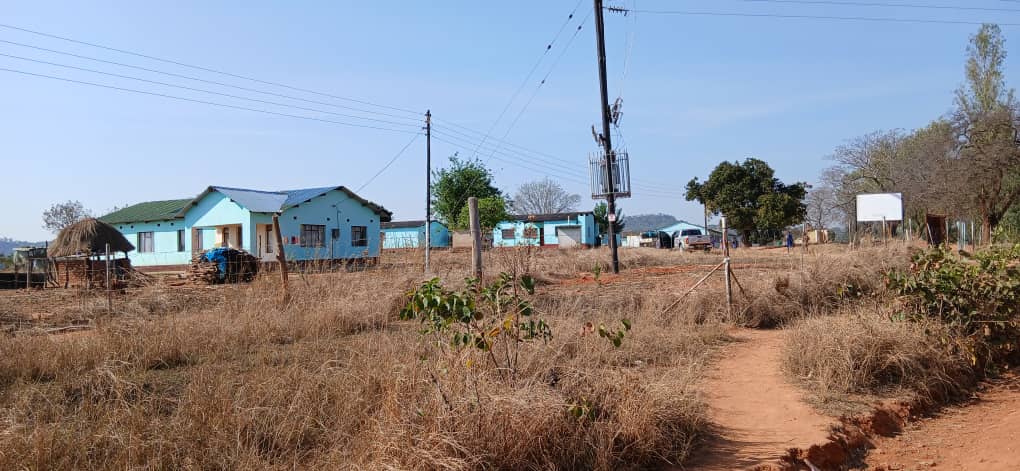
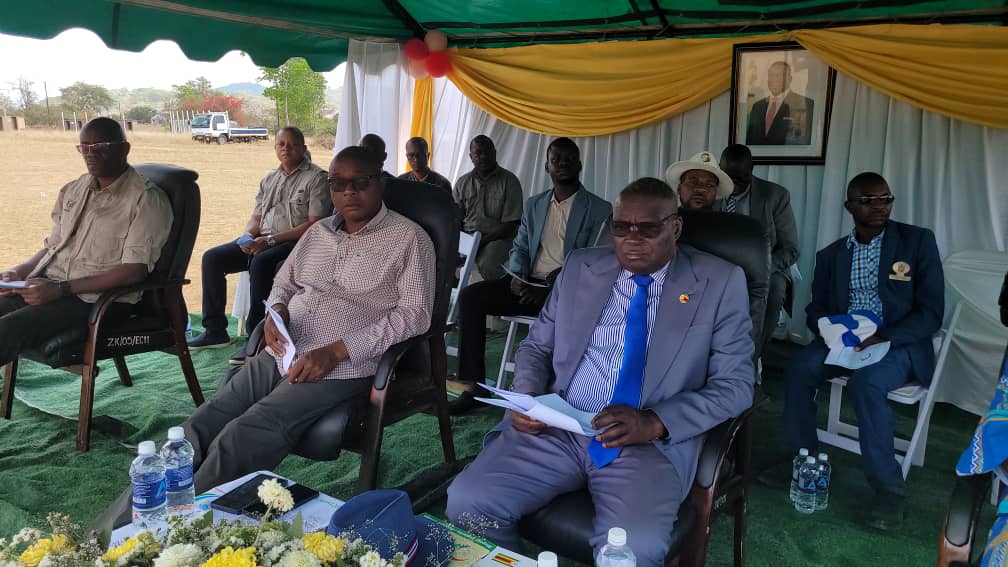
Minister of Energy and Power Development, Honourable July Moyo, made the remarks Friday when he commissioned the Mbuyamaswa-Kwamutevhure rural electrification project in Zaka District, Masvingo Province.
The national seasonal outlook says the rainfall season is expected to be heavily influenced by a warm El Niño phase, with October to December projected to be predominantly drier than normal across all provinces. The dry conditions are expected to persist into January–March 2027, while warmer-than-normal temperatures are also forecast during the first three months of the year.
The Government and development partners have already begun preparations, with an Anticipatory Action model being targeted for the sub-Saharan region.
Hon. Moyo said this low-rainfall season had turned electricity from a mere convenience into an essential climate-resilience and food-security instrument.
“Through grid and off-grid electrification, including support for irrigation schemes and nutrition gardens, electricity enables communities to access water for irrigation and sustain agricultural production,” said the Minister.
“We have many dams, water points and perennial flowing rivers in Masvingo, and government, through the Rural Electrification Agency, continues to accelerate rural electrification as a weapon against climate change, and El Niño is climate change induced.”
The Minister said Government’s electrification drive had already reached hundreds of small-scale farms in the area, underscoring the centrality of agriculture to national priorities.
“If we don’t have farms, if we don’t have food, it’s not a priority for us,” Hon. Moyo said. “There are 894 small-scale farms that have been electrified.”
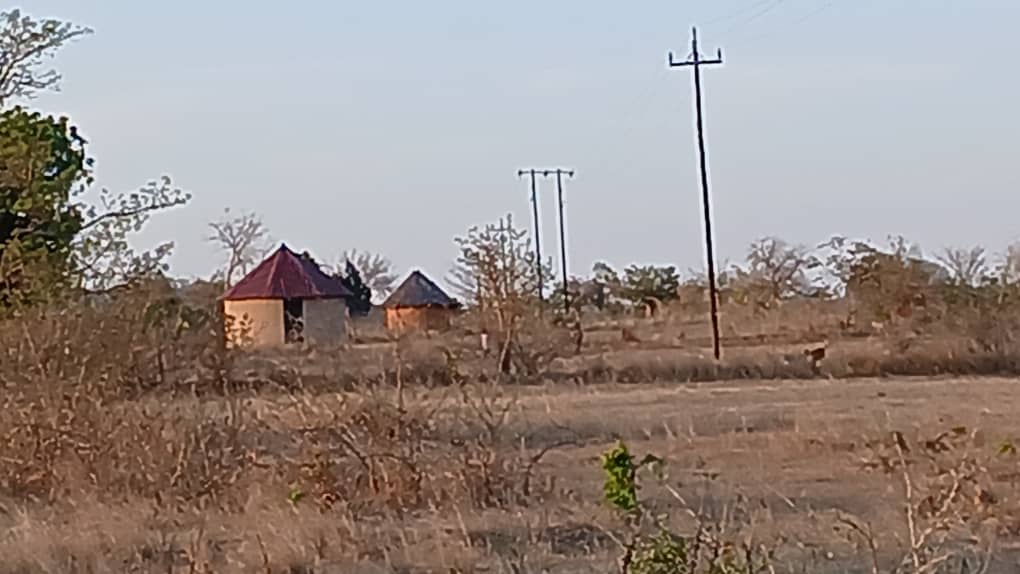
Turning to the broader rollout of the electrification programme, the Minister said irrigation infrastructure was being extended to schools through what he termed “school business units,” while cautioning against the misuse of water resources earmarked for community irrigation schemes.
On education, Hon. Moyo gave figures showing the scale of Government’s rural electrification programme in the schools sector, stating that “3,337 primary schools” and “1,685 secondary schools” now had electricity.
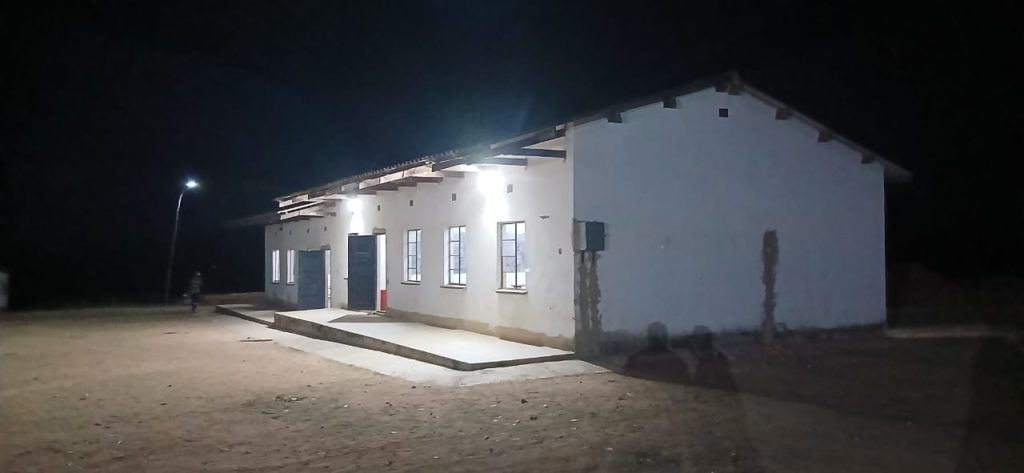
The Minister situated the Zaka project within the framework of the National Development Strategy 2 (NDS2), launched by President Emmerson Mnangagwa in 2025 as the national blueprint for achieving Vision 2030.
“As you are all aware, in 2025 His Excellency, the President of the Republic of Zimbabwe, launched the National Development Strategy 2, the national blueprint which sets the framework for collective action aimed at achieving our national vision 2030, towards a prosperous and empowered upper-middle-income society by 2030, with job opportunities and a high quality of life for citizens,” Hon. Moyo said.
“This project, such as what we have given here, gives quality not just to the teachers, to the nurses, but to the community in production.”
The Minister said the provision of sustainable, modern energy services to rural Zimbabwe would support processes central to the fight against poverty.
“Ladies and gentlemen, provision of sustainable modern energy services to rural areas of Zimbabwe will no doubt support many other processes that must take place in the community.
“And these, taken all together, will alleviate poverty, build capacity and create employment in rural areas, thereby leading to sustainable development of our villages in Zimbabwe,” he remarked.
Hon. Moyo commended the Rural Electrification Agency for executing the directive given to it under presidential and ministerial oversight.
“I am totally satisfied that this organisation has been given a task by our President, has been given a directive by myself, has been given money by their board members, and they are able to deliver,” he said.
The project forms part of a wider push by Government to expand rural electrification across Masvingo Province and the rest of the country, in line with NDS2 targets ahead of 2030.