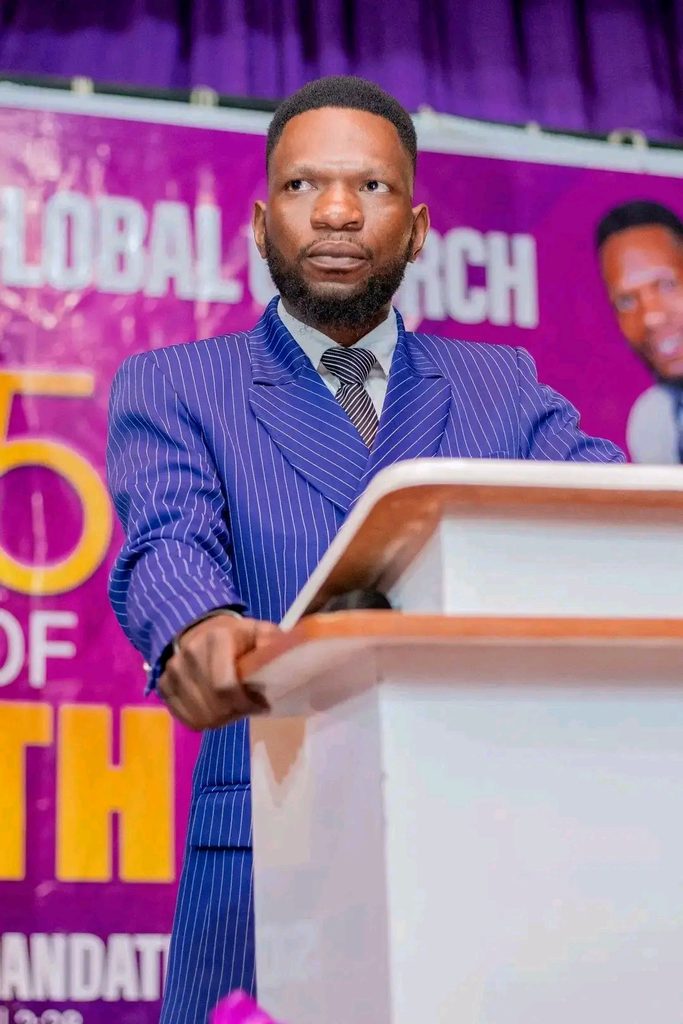
Prophet Anointed Talent of Annointed Talent Ministries
By Dickson Bandera
From an unusual healing session involving using his teeth in 2024 to a reported decision to abandon travel plans ahead of a destructive hailstorm in 2026, Chiredzi-based preacher Prophet Anointed Talent continues to attract public attention, placing his healing methods and prophetic claims under renewed scrutiny.
The latest episode followed reports that the preacher abandoned plans to attend businessman Sir Wicknell Chivhayo’s funeral in Harare and returned to Masvingo after what was described as a spiritual prompting ahead of a destructive hailstorm that struck the area.
The incident has triggered mixed reactions, with some people questioning whether the development demonstrates prophetic discernment, while others have expressed confidence in the preacher’s spiritual abilities, citing their personal experiences and testimonies of what they believe to be the transformative power of his ministry.
Such contrasting reactions are hardly new in discussions about miracles and supernatural experiences. For some believers, extraordinary events reinforce their faith, while sceptics and critical observers seek further explanations before accepting claims of divine intervention.
It is against this backdrop that the latest hailstorm episode has revived memories of another unusual incident associated with Chifinhu: a healing session in which he reportedly used his teeth to bite a congregant.
In 2024, the preacher attracted widespread attention after a video circulated showing what appeared to be an unconventional healing practice during a church service.
In the video shared by Masvingo Mirror on YouTube, Prophet Anointed Talent is seen praying for a young man before biting him on the chest after which the young man told the congregation that he had been healed.
The incident generated controversy and brought into focus a longstanding question in Christianity: must healing follow a familiar pattern, or can it manifest through methods that are difficult for observers to understand?
Biblical accounts present healing as an important aspect of the ministry of Jesus Christ and His disciples. However, the methods described in Scripture vary considerably.
In the Gospel of John, Jesus heals a man who was born blind by making mud with saliva, placing it on the man’s eyes and instructing him to wash in the Pool of Siloam (John 9:1–7).
In Mark 7:31–37, Jesus heals a man who is deaf and has a speech impediment through an encounter involving touch, saliva and the command, “Ephphatha,” meaning “Be opened.”
Another account, in Mark 8:22–26, describes Jesus healing a blind man in stages, with the man’s sight improving before becoming fully clear.
In Acts 5:15–16, people brought the sick into public places in the hope that Peter’s shadow might fall on them as he passed. Acts 19:11–12 also describes extraordinary healings associated with handkerchiefs and aprons that had touched Paul.
These passages demonstrate the variety of healing accounts in the Bible. They also show why healing remains an important subject in Christian teaching, worship and personal testimony.
For his supporters, the reported sequence of events has reinforced their belief in his prophetic discernment. Some have praised the preacher, with followers pointing to their personal experiences as evidence of the positive impact they associate with his ministry.
Others, however, remain unconvinced, questioning whether the incident should be regarded as evidence of supernatural foresight or whether further information is needed to establish precisely what happened.
For believers, prophecy may be understood as a form of divine communication or spiritual insight. Yet interpretations of prophetic experiences differ across Christian denominations, and not every claim is accepted universally.
Such testimonies can be deeply meaningful to those who share them. At the same time, personal conviction and independent verification are not necessarily the same thing.
This distinction allows room for both faith and responsible scrutiny without automatically dismissing the experiences of believers or treating every extraordinary claim as established fact.
For his supporters, the incidents may form part of a broader picture of a preacher they believe possesses unusual spiritual gifts. For those who remain sceptical, they present questions that require careful examination rather than immediate acceptance.
Neither response is unusual when claims of miracles and supernatural intervention enter public discussion.
As the debate surrounding Prophet Anointed Talent continues, the challenge is to approach the subject with fairness: respecting the convictions of believers while allowing room for legitimate questions about the methods, claims and experiences associated with contemporary prophetic ministries.
After all, the freedom to believe should not require everyone to reach the same conclusion, just as the freedom to question should not automatically be interpreted as hostility towards religion.