By George Swarei
The planetGOLD Zimbabwe project will convene its second annual conference on 28-29 October at Cresta Lodge in Msasa, Harare, bringing together government institutions, artisanal and small-scale gold miners, financial institutions, development partners and technical experts to advance responsible mining.
The conference is expected to produce practical recommendations on formalising the artisanal and small-scale gold mining (ASGM) sector which is key player in the country’s gold output, expanding miners’ access to finance and accelerating the adoption of mercury-free gold-processing technologies.
Discussions will further focus on training, environmental protection and sustainable landscape management, with stakeholders examining how miners can operate legally, safely and profitably while reducing risks to communities and the environment. The second day, 29 October, will focus specifically on landscape approaches to sustainable ASGM.
Speaking ahead of the conference, planetGOLD Zimbabwe ASGM Technical Specialist Mollin Siwella said responsible gold mining required more than extracting the mineral, emphasising the importance of systems that enable miners to operate legally, safely and profitably while protecting people and the environment.
“Our central message is on responsible gold mining, which requires more than extracting the gold itself, but systems that will enable miners to operate legally, safely, profitably, and in ways that protect the people and the environment,” said Siwella.
The conference will build on engagements undertaken during the project’s inaugural annual conference, with discussions focusing on formalisation, financing mechanisms, mercury-free technologies, training and sustainable environmental management.
Siwella said formalisation should not be treated merely as a regulatory obligation but as a process supported by practical measures that enable miners to comply with the law and access essential services.
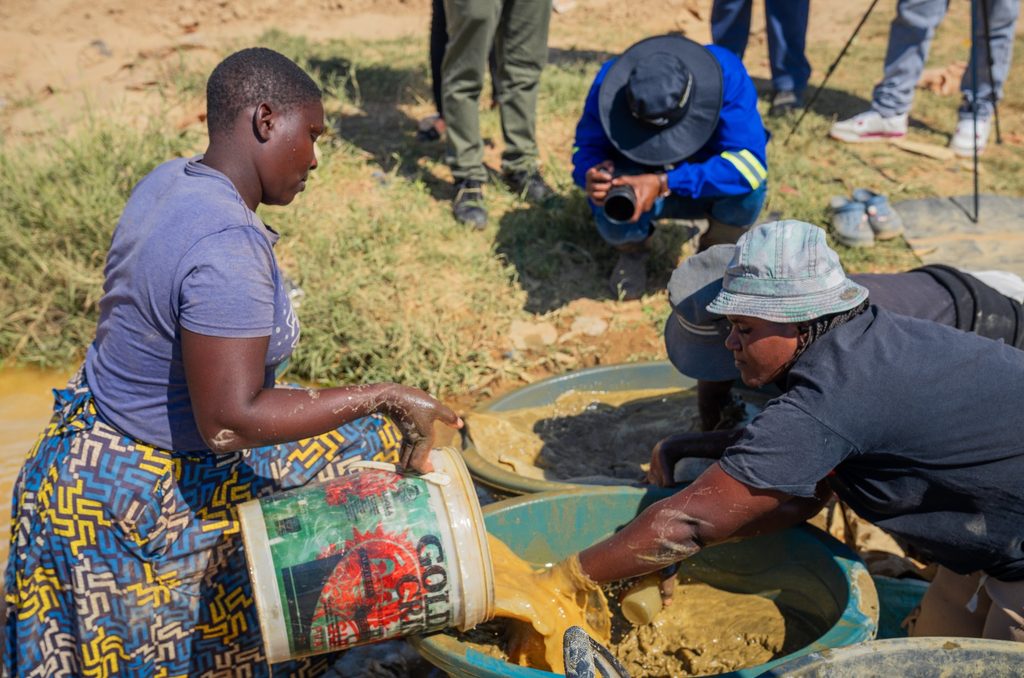
“We are not today just approaching it as a regulatory requirement but also putting in the necessary support system that will enable the miners to operate under the purview of the laws,” she said.
The conference will also witness the launch of a publication titled A Guide to Reforming Formalisation of the ASGM Sector in Zimbabwe, which seeks to contribute to discussions on the barriers preventing small-scale miners from formalising their operations.
According to Siwella, consultations with miners have revealed several obstacles to formalisation, prompting the project to examine the experiences and perspectives of those operating within the sector.
The guide is expected to inform dialogue among policymakers, regulators and mining communities on ways to simplify formalisation procedures and make compliance more accessible to miners. Improving formalisation is considered essential to strengthening regulatory compliance, expanding access to markets and finance, and encouraging responsible mining practices.
Access to finance will be another major focus of the conference, particularly the need to help miners invest in safer equipment and transition away from mercury-dependent gold-processing methods.
Siwella said financial support was critical to enabling miners to adopt alternative technologies while maintaining the commercial viability of their operations.
“Miners need financing arrangements so that they can invest in safer equipment, since we want to help them transition from mercury to non-mercury-use technologies,” she said.
A dedicated panel discussion will examine lessons from initiatives designed to improve financing for artisanal and small-scale mining. Representatives from financial institutions and relevant mining-sector bodies are expected to discuss lending requirements, miners’ financing needs and opportunities to bridge existing gaps.
The discussions will draw on previous engagements between the project, mining stakeholders and financial institutions to better understand the conditions required to expand access to affordable and appropriate financing.
Siwella said the objective was to develop a clearer understanding of the requirements imposed by financial institutions and the realities facing miners seeking loans and other financial services.
Improved access to finance could help miners acquire modern processing equipment, improve operational efficiency and invest in technologies that reduce environmental and health risks.
The promotion of mercury-free gold processing will be a key component of the conference, with a dedicated session examining technologies that have been tested or adopted in artisanal mining settings.