HARARE — Zimbabwe is moving to expand the number of women trained as mediators and negotiators as the country prepares to use its United Nations Security Council role to push women’s participation higher on the global peace and security agenda.
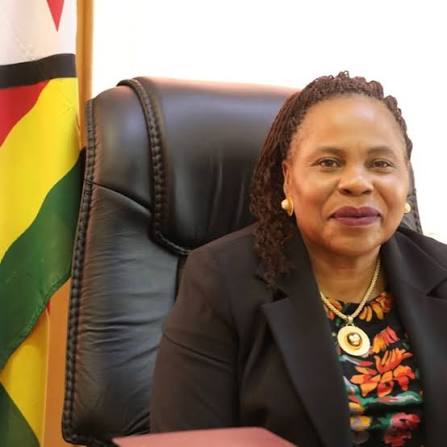
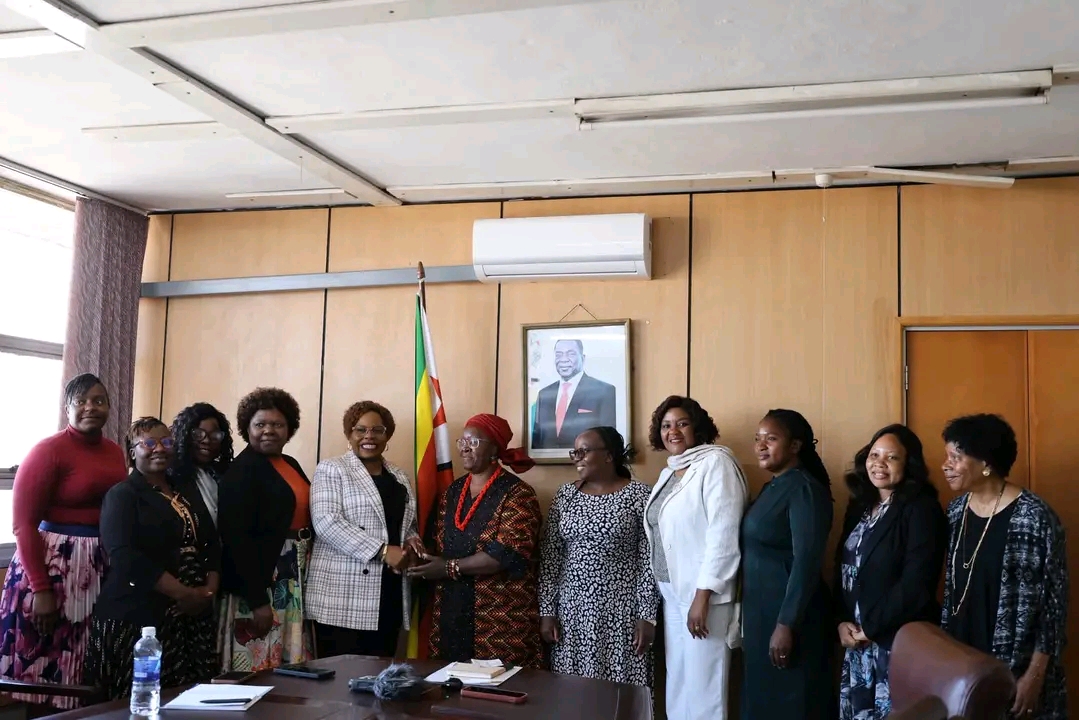
The initiative emerged as Women Affairs, Community, Small and Medium Enterprises Development Minister Monica Mutsvangwa met United Nations Assistant Secretary-General and UN Women Deputy Executive Director for Normative Support, UN System Coordination and Programme Results, Dr Nyaradzayi Gumbonzvanda, in Harare yesterday.
The engagement placed the Women, Peace and Security (WPS) Agenda at the centre of Zimbabwe’s cooperation with UN Women, with the Government seeking technical support to strengthen its capacity to deploy women in mediation, negotiation and peacebuilding processes at national, regional, continental and international levels.
Minister Mutsvangwa said Zimbabwe’s position on the Security Council should be used to amplify women’s voices in discussions on international peace and security while advancing African and SADC perspectives.
The push comes against a broader Government drive to move gender equality from policy commitments into measurable programmes supported by adequate financing, monitoring and accountability.
Mutsvangwa said sustained collaboration with UN Women remained important in translating commitments on gender equality and women’s empowerment into practical outcomes.
The two sides identified gender data and monitoring, gender mainstreaming, women’s economic empowerment, women’s leadership and participation in decision-making, prevention and response to gender-based violence, and gender-responsive financing and budgeting as key areas requiring strengthened cooperation.
The emphasis on financing is particularly significant, as Government and development partners increasingly seek to ensure that gender policies are matched by resources and measurable implementation rather than remaining policy declarations.
Under the WPS framework, Zimbabwe also wants to strengthen the skills pipeline for women mediators and negotiators, potentially widening the country’s pool of experts able to participate in peace processes involving SADC, the African Union and the United Nations.
The move gives Zimbabwe an opportunity to link its domestic gender-equality agenda with its international diplomatic responsibilities.
Women remain under-represented in many formal peace and security processes, despite growing international recognition that their meaningful participation can strengthen the inclusiveness and sustainability of peace efforts.
Zimbabwe and UN Women also agreed on the importance of stronger systems for collecting and using gender data, which would allow Government to track whether policies and programmes are producing measurable improvements for women and girls.
The engagement therefore shifts the focus from policy formulation to delivery — how commitments are financed, implemented, monitored and ultimately translated into results.
For Zimbabwe, its Security Council tenure provides an international platform. The Government now wants to use that platform not only to advance national interests, but also to elevate African and regional priorities on women, peace and security.
The Ministry and UN Women reaffirmed their commitment to deepening cooperation and ensuring that gender-equality and women’s-empowerment commitments produce concrete and lasting outcomes for women and girls in Zimbabwe, Africa and beyond.