By Dickson Bandera
PRETORIA, 21 August 2026 — Zimbabwe and South Africa have signed a Memorandum of Understanding (MoU) on arts, culture and heritage, paving the way for deeper cooperation in the development of the Museum of African Liberation in Harare.
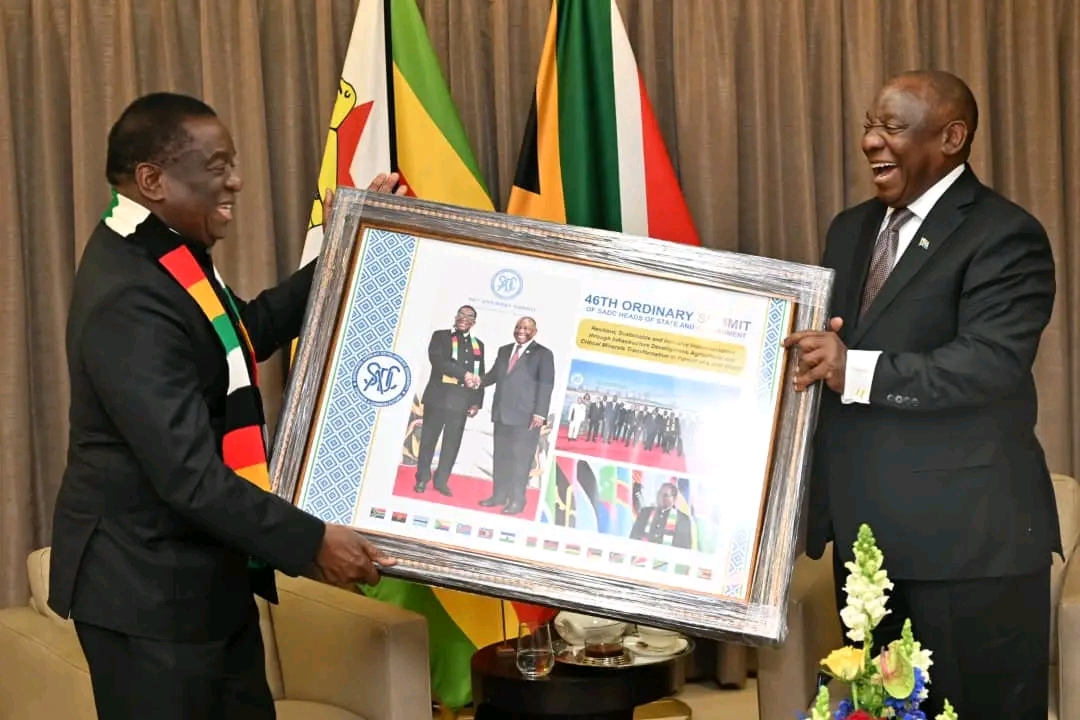
The agreement was signed during the Heads of State Summit of the Fourth Session of the Zimbabwe-South Africa Bi-National Commission (BNC) in Pretoria, where President Emmerson Mnangagwa and his South African counterpart, President Cyril Ramaphosa, adopted six instruments aimed at strengthening bilateral cooperation.
President Mnangagwa welcomed South Africa’s participation in the Museum of African Liberation Project, saying Zimbabwe expected Pretoria to take steps towards developing land allocated to South Africa at the museum.
“Zimbabwe looks forward to South Africa taking steps to develop land allocated to it at the Museum of African Liberation in Zimbabwe,” President Mnangagwa said.
He said the museum would provide South Africa with an important platform to document and showcase its anti-apartheid struggle and its contribution to the liberation of other African countries.
“This will go a long way in preserving this legacy, as well as inspiring present and future generations,” he said.
The agreement places the Museum of African Liberation within the broader framework of Zimbabwe-South Africa cooperation in arts, culture and heritage, while reinforcing the two countries’ shared liberation history.
President Ramaphosa said the historic relationship between Zimbabwe and South Africa should translate into tangible benefits for citizens of both countries.
The two leaders also emphasised the need for the BNC to deliver concrete outcomes capable of advancing economic integration, industrialisation and broader bilateral cooperation.
The Museum of African Liberation is a Pan-African heritage, cultural diplomacy and tourism project being developed by the Institute of African Knowledge (INSTAK). INSTAK Chief Executive Officer Ambassador Kwame Muzawazi represented the institution at the BNC.
The museum forms part of INSTAK’s Liberation City, a 101-hectare multi-use development in Harare being developed with the support of the Zimbabwean Government.
The project has been accorded national priority status and is expected to become a major centre for preserving and interpreting Africa’s liberation history.
South Africa’s involvement is significant given the central role played by the country’s liberation movements and neighbouring states, including Zimbabwe, in the struggle against apartheid and colonialism.
The Museum of African Liberation is expected to bring together historical artefacts, archives, monuments and other forms of heritage documentation from across the continent, providing a permanent platform for preserving the history of Africa’s liberation struggles.
The project also forms part of Zimbabwe’s preparations to host the 2027 African Union Mid-Year Summit. The museum is expected to be officially opened in connection with the summit.
The signing of the MoU therefore marks a further step towards positioning the Museum of African Liberation as a continental institution for heritage preservation, cultural diplomacy, education and tourism, while strengthening the historical ties between Zimbabwe and South Africa.